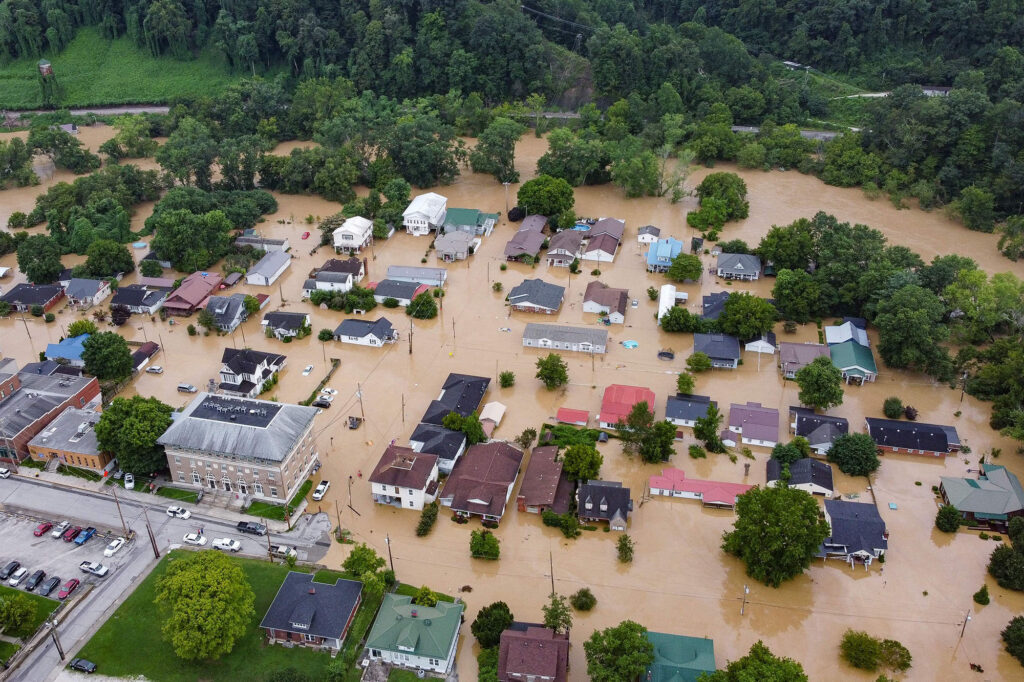
The death toll from Monday’s devastating floods in the Greater Accra Region has risen to 10, according to the National Disaster Management Organisation (NADMO), as rescue teams continue searching affected communities for more victims.
The heavy rains, which lashed parts of Accra on Monday, June 29, left several communities submerged, displaced residents, damaged property, and claimed multiple lives.
Speaking to journalists on Tuesday, June 30, the Greater Accra Regional Director of NADMO, Dennis Adjannor Nartey, said the number of confirmed deaths increased after two more bodies were recovered in the Weija-Gbawe Municipality following the receding of floodwaters.
“As of this morning, the records we have is eight, but we have had an addition of about two. Now that the floodwaters have receded, in some places they are even finding dead bodies themselves. We found two this morning at Weija,” Mr. Nartey said.
He noted that the casualty figure could change as emergency response teams continue search-and-rescue operations and assess the extent of the disaster across the Greater Accra Region.
According to NADMO, emergency personnel remain on the ground, working with other security and rescue agencies to assist affected residents, recover victims, and provide relief to displaced families.
Beyond the immediate rescue operations, the organisation has begun post-flood recovery measures aimed at reducing the impact of future flooding. Mr. Nartey said desilting exercises have commenced in major drains and waterways to improve the free flow of stormwater.
He also disclosed that structures illegally erected within waterways and drainage channels will be demolished as part of a broader flood prevention strategy.
The latest tragedy has once again renewed concerns over Accra’s persistent flooding challenges, with experts attributing the recurring disasters to poor drainage systems, indiscriminate waste disposal, and the construction of buildings on waterways.
Authorities are urging residents to remain vigilant, heed weather warnings, and avoid flood-prone areas as the rainy season continues.
Emergency officials say they will continue to monitor the situation and provide updates as rescue and recovery efforts progress.