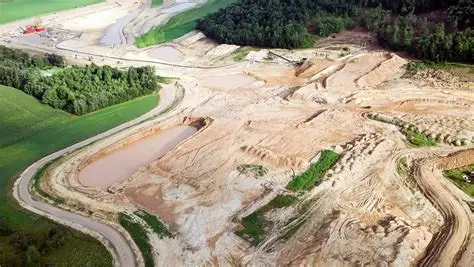
The Government has unveiled sweeping reforms across Ghana’s mining, forestry and land sectors aimed at accelerating industrialisation, environmental restoration and transparent natural resource governance.
Speaking at the Government Accountability Series, Minister for Lands and Natural Resources Emmanuel Armah-Kofi Buah outlined several landmark initiatives designed to reposition the sector as a major driver of economic growth.
Among the major highlights is the continued implementation of the Tree for Life Restoration Initiative, under which Government planted 31 million seedlings in 2025, restoring about 23,600 hectares of degraded forests and mined-out lands. The Ministry is maintaining a target of 30 million seedlings in 2026, supported by 2,719 Youth Forest Champions engaged in nursery development, wildfire prevention and forest protection.
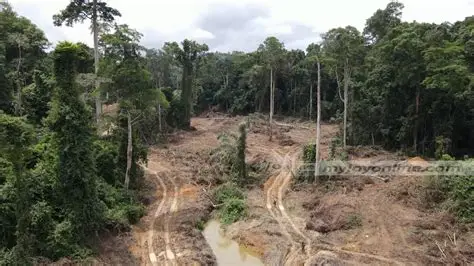
In another significant environmental decision, Cabinet has revoked Executive Instrument 144, restoring the Achimota Forest to its original status as a protected forest reserve to safeguard Accra’s ecological future.
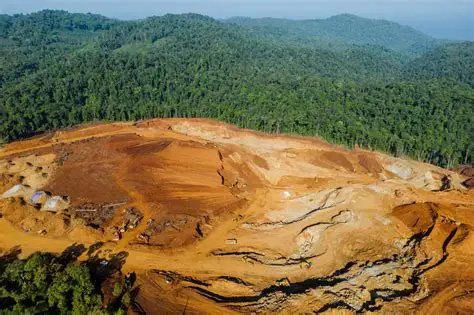
The Minister also announced major legislative reforms in the mining sector, including Cabinet approval of a revised Minerals and Mining Policy and amendments to the Minerals and Mining Act, 2006 (Act 703).
The proposed reforms introduce district mining committees, establish community development agreements for mining leases, create a medium-scale mining category and strengthen local participation and value addition within the mining industry.
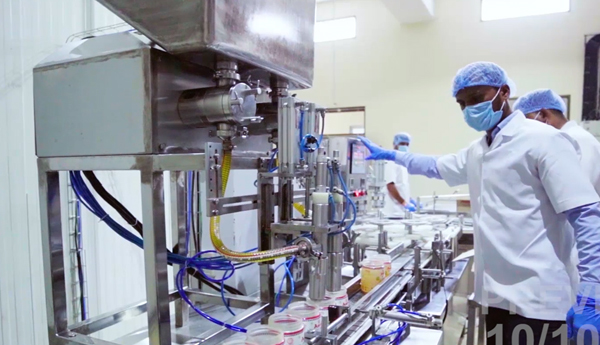
On industrial development, Government is partnering investors to establish a 2-million-metric-tonne aluminium refinery and an Aluminium Foil Plant under GIADEC’s industrial park project in Tema. The projects are expected to boost local manufacturing, create jobs and reduce dependence on imported aluminium products.
Meanwhile, VALCO has begun test production at its first-ever Electrical Grade Rod Mill, marking Ghana’s transition from exporting raw aluminium to manufacturing higher-value products for both local and international markets.
On land administration, Government is expanding digital services through the Enterprise Land Information System (ELIS), which is now operational in nine regions, allowing landowners to conduct searches and process land registration services online.
The Ministry also announced the Strategic Land Administration Reform Project (SLARP) and the establishment of a Land Bank Project to facilitate access to land for large-scale agricultural investment while improving transparency, decentralisation and efficiency in land administration.
Mr. Buah said the reforms are intended to ensure Ghana’s natural resources generate lasting prosperity through responsible management, industrial value addition, environmental sustainability and improved governance.
He reaffirmed Government’s commitment to protecting the country’s forests, mineral wealth and public lands while creating jobs and attracting investment to drive national development.
Story by Sheila Otuo – Baffour