
As Ghana intensifies efforts to sanitise the artisanal and small-scale mining sector, the Responsible Cooperative Mining and Skills Development Programme (rCOMSDEP) is steadily positioning itself as one of government’s flagship interventions for promoting legal, environmentally responsible and community-driven mining.
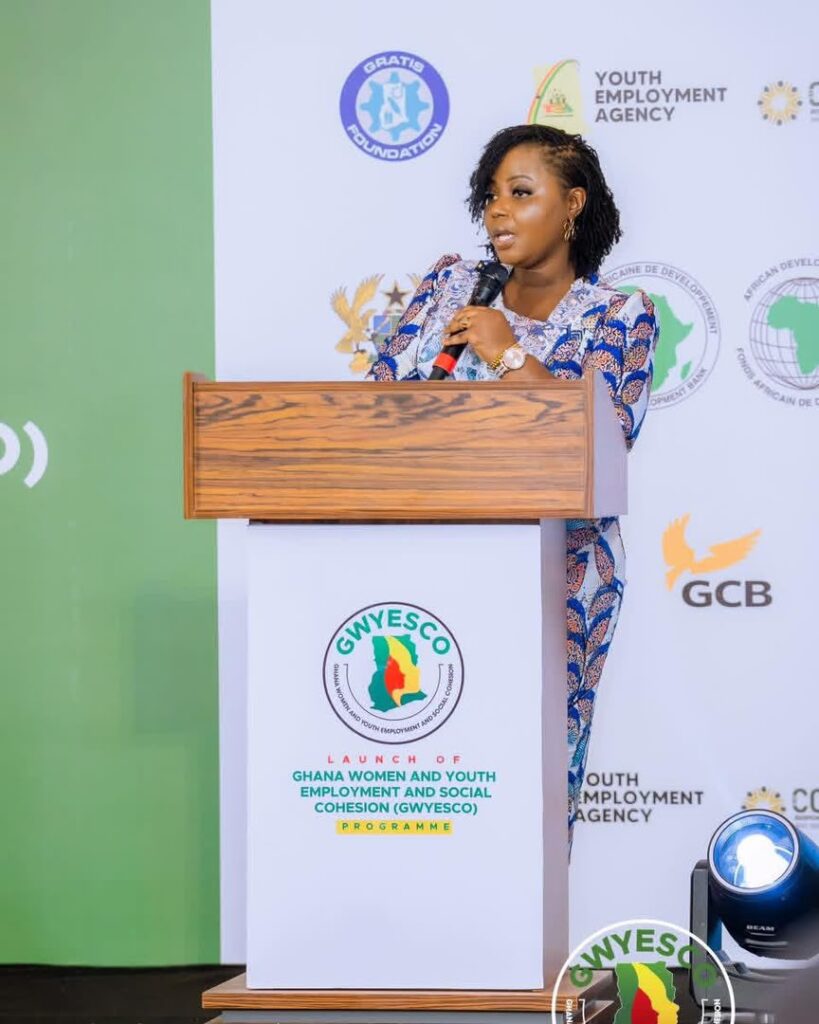
Since assuming office as National Coordinator, Ama Mawusi Mawuenyefia has overseen the implementation of initiatives aimed at formalising artisanal mining through cooperative development, skills training and stronger stakeholder collaboration, while advancing government’s broader objective of replacing illegal mining with regulated and sustainable operations.
Under her leadership, the programme has facilitated the establishment and strengthening of mining cooperatives across several parts of the country, providing miners with the opportunity to operate within Ghana’s legal framework while receiving technical support and training in responsible mining practices.
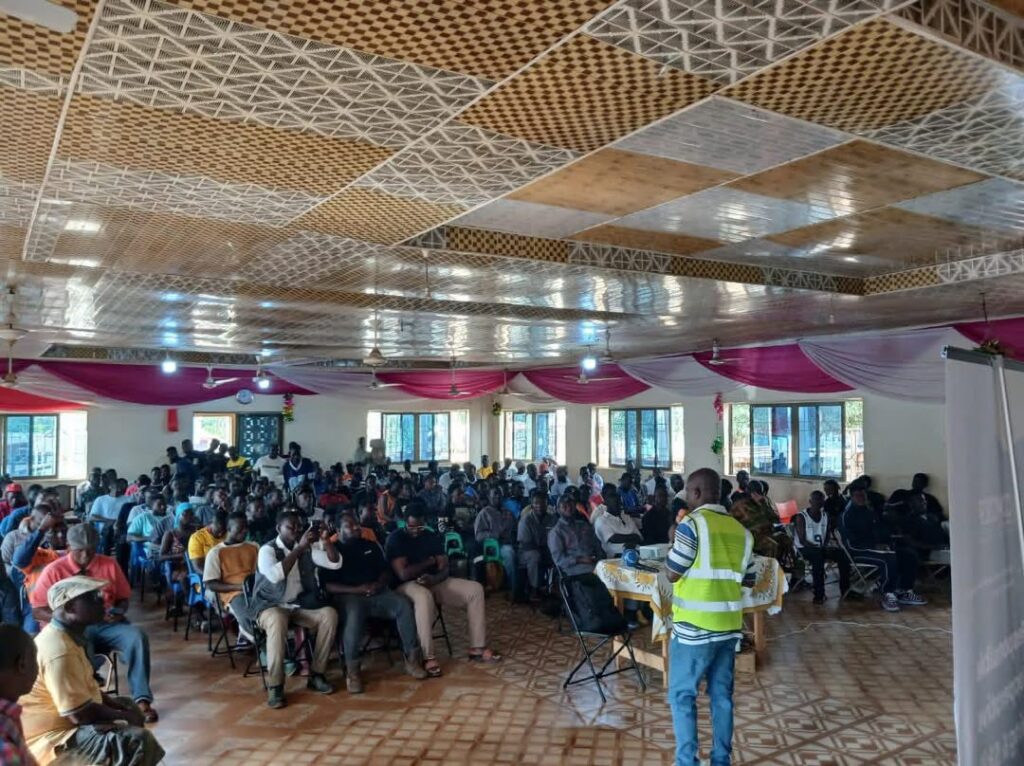
The initiative has placed considerable emphasis on building the capacity of miners through training in occupational health and safety, environmental protection, cooperative governance, financial management and modern mining techniques. The objective has been to improve productivity while reducing the environmental degradation that has long characterised illegal mining activities.

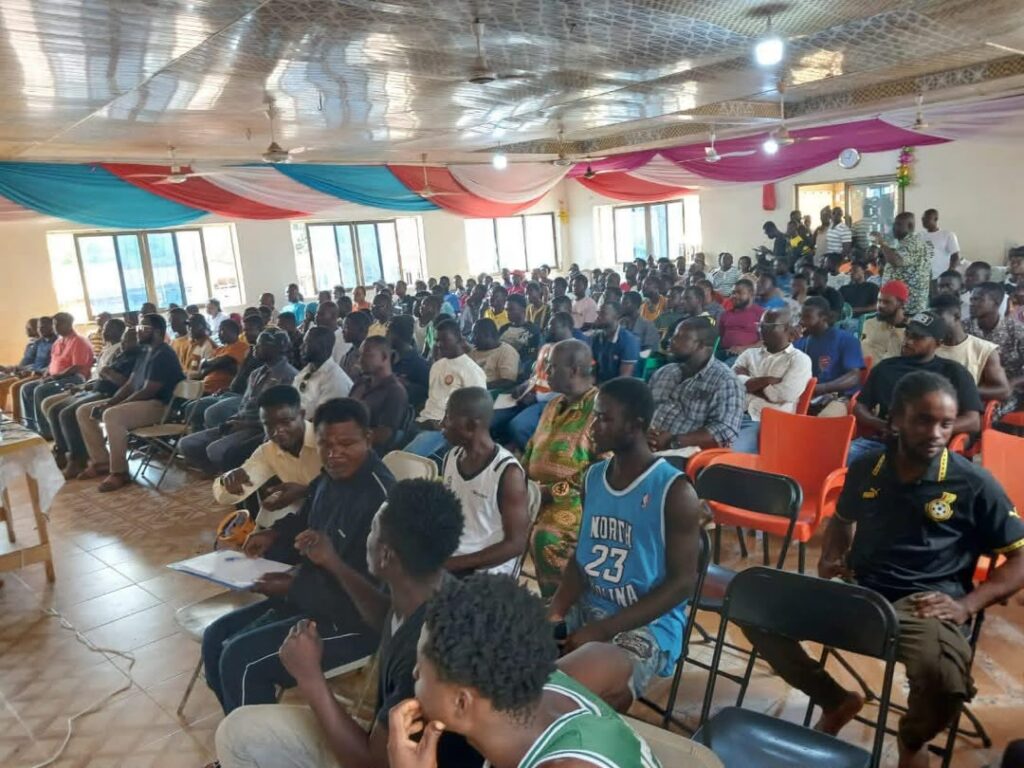
One of the defining features of Ms. Mawuenyefia’s leadership has been her active engagement with mining communities. Regular visits to cooperative sites have enabled the programme to monitor compliance with regulations, identify operational challenges and engage directly with miners, traditional authorities and local stakeholders on practical solutions to issues affecting the sector.
The programme has also broadened its mandate beyond mining by introducing skills development initiatives targeted at young people in mining communities. These interventions are designed to create alternative livelihood opportunities, reduce unemployment and discourage dependence on illegal mining.
Industry players say the programme’s increasing engagement with communities has strengthened confidence in the cooperative mining model and encouraged more miners to embrace responsible and environmentally sustainable mining practices.
Analysts observe that public officials leading reforms in sectors where entrenched interests exist often face criticism and resistance, particularly when policy changes affect long-standing practices. They note that efforts to regulate the small-scale mining sector and enforce stricter compliance measures inevitably attract differing opinions from stakeholders. However, there is no publicly available evidence linking recent allegations made against Ms. Mawuenyefia to any particular group, nor have any competent state institutions established wrongdoing on her part.
Despite the public scrutiny, Ms. Mawuenyefia has remained focused on the programme’s core mandate. People familiar with rCOMSDEP’s operations describe her as committed to strengthening responsible cooperative mining through practical solutions, continuous stakeholder engagement and institutional reforms.
Her focus, they say, is to make the Cooperative Mining and Skills Development Secretariat an efficient, transparent and attractive institution that provides meaningful support to responsible miners while contributing to government’s agenda of transforming Ghana’s small-scale mining industry.
The programme’s work continues to align with national efforts to protect forests and water bodies from the devastating effects of illegal mining while ensuring that mining communities benefit from sustainable economic opportunities.
With cooperative formation expanding, capacity-building programmes ongoing and stronger collaboration developing between mining communities and regulatory institutions, rCOMSDEP is increasingly being viewed as an important pillar in Ghana’s strategy to build a responsible, productive and environmentally sustainable artisanal and small-scale mining sector.
For many stakeholders, sustaining these gains will require continued commitment, institutional support and leadership capable of navigating the complex challenges facing one of the country’s most important economic sectors.