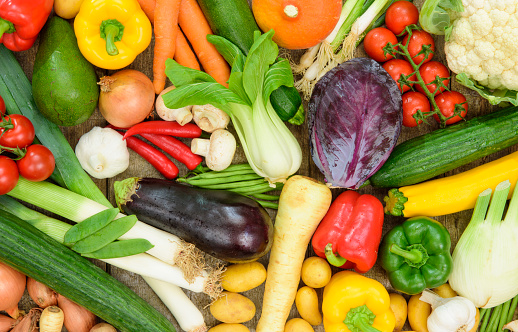
Across Africa, the vegetable trade is a quiet powerhouse feeding cities, sustaining rural livelihoods, and driving cross-border commerce. From open-air markets in Accra to large-scale farms in Kenya and Nigeria, the sector supports millions of farmers, traders, and transporters.
But behind the abundance lies a growing concern: climate change is beginning to strain the very systems that keep vegetables on African tables.
A Vital but Vulnerable Sector
Vegetables such as tomatoes, onions, peppers, okra, and leafy greens are central to African diets and economies. They are also highly sensitive to weather conditions.
Unlike staple crops, vegetables require consistent rainfall, moderate temperatures, and careful handling. Even slight disruptions can lead to significant losses.
In recent years, farmers across the continent have reported:
Erratic rainfall patterns
Prolonged dry spells
Rising temperatures
Increased pest and disease outbreaks
These changes are making vegetable farming more unpredictable and, in some cases, less profitable.
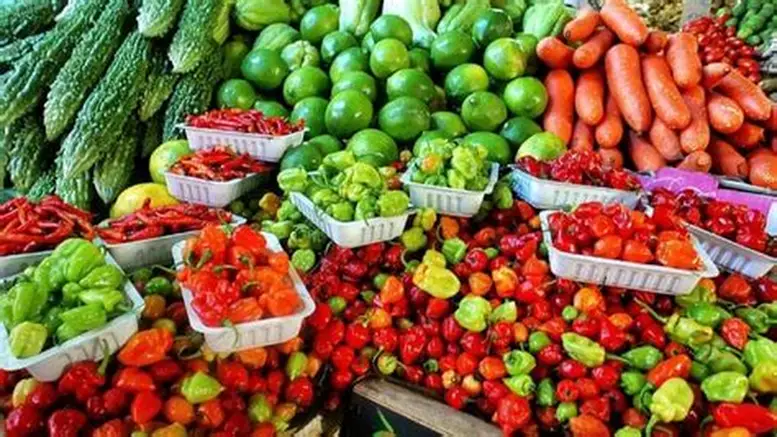
Climate Pressure on Production
In West Africa, tomato farmers are among the hardest hit. Heat stress is reducing yields, while floods in low-lying farming areas destroy entire harvests.
In parts of East Africa, shifting rainfall seasons have disrupted planting cycles, leaving farmers unsure of when to sow or harvest.
The impact goes beyond farms. When production drops, market prices spike. For urban consumers, this means higher food costs. For traders, it means unstable supply chains.
Post-Harvest Losses Add to the Crisis
A significant portion of vegetables grown in Africa never reaches consumers. Poor road networks, limited cold storage, and inefficient transport systems lead to high post-harvest losses.
In countries like Ghana, it is estimated that up to 30–50 percent of perishable produce can be lost before it reaches the market.
Climate change is worsening this problem. Higher temperatures accelerate spoilage, while flooding can cut off transport routes entirely.
Cross-Border Trade Under Strain
The vegetable trade in Africa is deeply interconnected. Produce often moves across borders from Burkina Faso into Ghana, or from Tanzania into Kenya.
However, climate disruptions in one region can ripple across entire trade networks. A poor harvest in one country can lead to shortages and price hikes in another.
This interconnectedness means that climate risks are no longer local—they are regional.
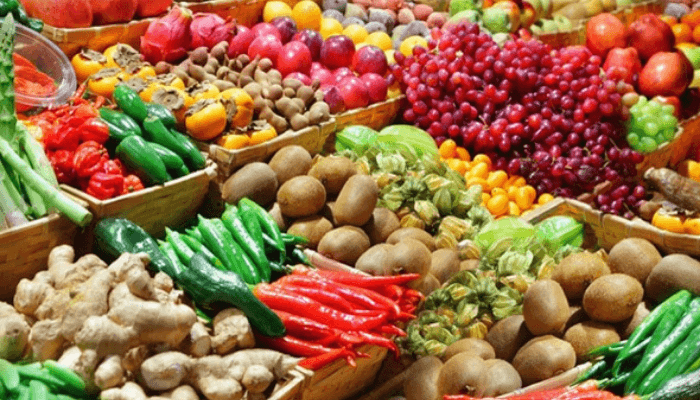
The Sustainability Challenge
Experts say the future of Africa’s vegetable trade depends on how quickly the sector adapts to climate realities.
Some solutions already gaining traction include:
Climate-smart agriculture: Using drought-resistant seeds and improved irrigation systems
Greenhouse farming: Protecting crops from extreme weather
Improved storage: Investing in cold chains to reduce losses
Sustainable water use: Drip irrigation and rainwater harvesting
There is also a growing push for governments to invest in rural infrastructure, including roads and market systems, to strengthen the entire value chain.
A Sector at a Crossroads
The vegetable trade remains one of Africa’s most essential economic activities. It feeds cities, creates jobs, and supports regional integration.
But as climate pressures intensify, the sector faces a critical moment.
Without sustained investment and innovation, the risks could undermine food security and livelihoods. With the right policies and practices, however, Africa’s vegetable trade could become a model of resilience in a warming world.
For now, the message from farmers and traders is clear: the climate is changing and the way Africa grows and moves its food must change with it.
Story by Doe Benjamin Kofi Lawson