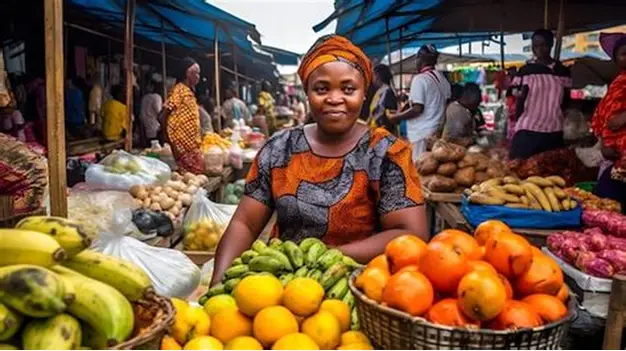
A new food safety survey conducted by Amineva Global has raised serious concerns about the safety of food consumed across parts of the Greater Accra Region, revealing poor hygiene practices among some vendors, low public confidence in food safety, and recurring but under-investigated cases of food-related illnesses at health facilities.
The study, titled “From Market to Plate: How Safe Is the Food We Eat?”, covered selected municipalities including Accra Metropolitan, Ga Central, and Weija-Gbawe. It assessed food safety practices among vendors, consumer perceptions, and health facility reports on food-borne illnesses.
Findings from the survey show that food safety risks remain widespread along the food supply and consumption chain, from preparation and storage to consumption and post-treatment follow-up.
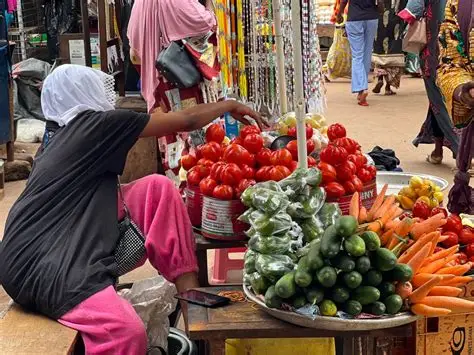
Vendor Practices Raise Contamination Concerns
Observations of 30 food vendors revealed that while most cooked foods were partially or fully covered, many were still stored in open containers, increasing the risk of contamination. Hygiene practices varied significantly, with some vendors handling food with utensils while others used bare hands or handled money and food simultaneously.
Environmental cleanliness was described as moderate in most locations, but pests were observed at 30 percent of the vending sites. The survey also found gaps in access to clean water and proper waste disposal. Notably, more than 40 percent of vendors declined to fully respond to risk-related questions, pointing to either low awareness or reluctance to disclose practices.
Consumers Express Deep Worries About Food Safety
Consumer responses reflected strong anxiety about the safety of food available to the public. Nearly six out of ten respondents rated commonly consumed food as “very unsafe,” citing concerns about hygiene, chemical use, and contamination.
While most consumers reported eating both at home and outside, this habit increases exposure to varying food handling conditions. Confidence in overall food safety was generally low, with a strong majority calling for stricter monitoring and regulation. Over 90 percent of respondents supported stronger food safety enforcement, and nearly 88 percent called for deeper investigation into food sold along the supply chain.
Many respondents also felt that food today poses greater health risks compared to previous years, underscoring growing public unease.
Hospitals Confirm Recurrent Food-Related Illnesses
Engagements with healthcare professionals confirmed that food-related illness cases are recurrent, with cases presenting at health facilities every two weeks to one month on average. However, hospitals clarified that their role is largely limited to clinical treatment, with no structured system for tracing the source of contaminated food.
As a result, most cases end at treatment, with little follow-up or data sharing with regulatory authorities. Health professionals described food-borne illnesses as under-reported and under-investigated, warning that the lack of coordinated investigation allows unsafe practices to persist.
Call for Urgent Action
The report concludes that food safety risks remain a significant public health concern in Greater Accra, driven by inconsistent vendor practices, low consumer confidence, and weak post-treatment investigation of food-related illnesses.
Amineva Global recommends stronger regulatory enforcement, regular inspections, and improved coordination between health facilities and regulatory agencies. The report also calls for vendor training in hygiene and food handling, public education on food safety risks, and structured reporting systems to improve accountability across the food supply chain.
Without coordinated action, the study warns, food safety risks will continue to pose long-term public health challenges for urban communities.
Story by Doe Benjamin Kofi Lawson