The Minority in Parliament has called for the establishment of a bipartisan parliamentary inquiry into an alleged $214 million loss incurred by the Bank of Ghana under the Gold-for-Reserves programme.
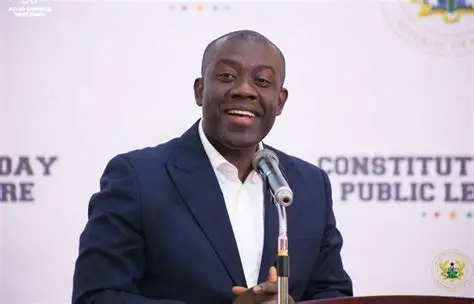
Addressing the media in Parliament, the Ranking Member on Parliament’s Economy and Development Committee and Member of Parliament for Ofoase-Ayirebi, Hon. Kojo Oppong Nkrumah, described the situation as a serious financial and governance failure linked to Ghana’s gold purchase and reserve-support arrangements.
He alleged that the country has already suffered losses amounting to approximately $214 million, warning that the figure could rise to about $300 million if urgent corrective measures are not taken.
Oppong Nkrumah called for the formation of an ad hoc parliamentary committee with full subpoena powers to examine all contracts, licenses, intermediary records, and documentation associated with the programme. He specifically raised concerns about what he described as an alleged monopoly by Bawa Rocks Company Limited within the gold aggregation chain, insisting that its role must be thoroughly scrutinized.
According to him, the proposed inquiry should compel both the Bank of Ghana and the Ghana Gold Board (GoldBod) to disclose details of fee structures, pricing formulas, foreign exchange arrangements, and the criteria used in selecting gold aggregators. He argued that the lack of transparency surrounding these processes has exposed the state to significant financial risk.
Beyond the financial implications, the Minority also raised environmental concerns. Oppong Nkrumah called for an immediate suspension of permits in forest reserves and the introduction of stricter penalties to improve traceability within the gold supply chain. He claimed there are reasonable grounds to believe that state funds may have been used to purchase gold sourced from illegal mining activities, a development he described as both financially irresponsible and environmentally destructive.
He further insisted that accountability must extend to the highest levels, stating that the Governor of the Bank of Ghana and the Chief Executive Officer of GoldBod should appear before the proposed committee to answer questions. Should the inquiry establish negligence or corruption, he said prosecutions must follow and all recoverable funds returned to the state.
Oppong Nkrumah stressed that the matter goes beyond partisan politics, describing it as a test of Ghana’s commitment to safeguarding its natural resources and long-term economic stability. He appealed to traditional authorities, civil society organisations, labour unions, market associations, students, academics, and the Ghanaian diaspora to speak up in defence of the public interest.
“Gold may glitter, but if we sacrifice accountability and responsibility, the price will be paid by generations yet unborn,” he stated.
The Minority’s call follows concerns raised by the International Monetary Fund (IMF), which flagged the reported losses as a potential risk to Ghana’s macroeconomic stability. The IMF attributed the losses to transactions involving artisanal and small-scale mining gold and referenced alleged “GoldBod off-taker fees.”
Sammy Gyamfi Rejects Claims of Losses at GoldBod
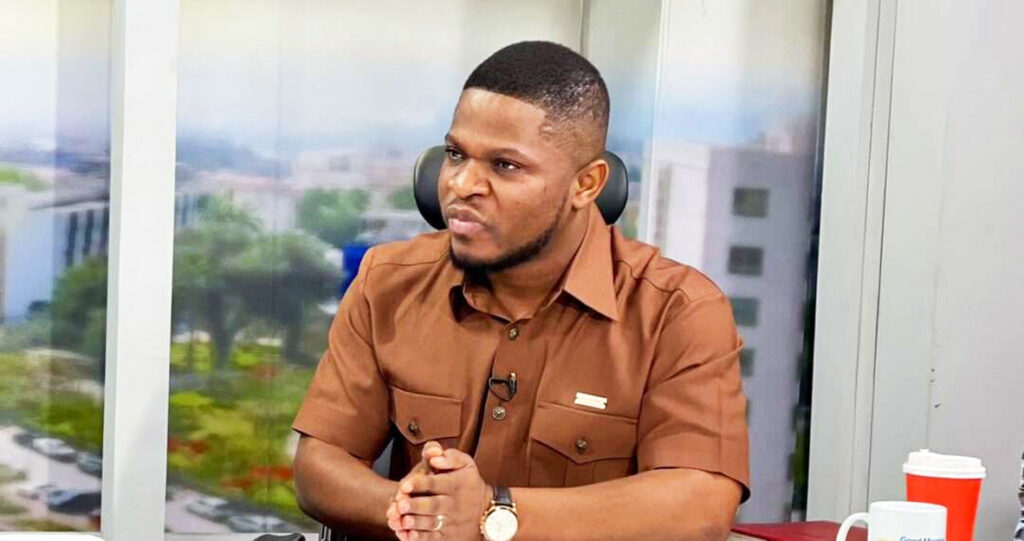
Meanwhile, Sammy Gyamfi has dismissed claims that the Ghana Gold Board has recorded losses, describing the assertions as misleading.
He explained that reports of losses wrongly conflate GoldBod’s operations with accounting issues linked to the Bank of Ghana’s Gold-for-Reserves programme. According to him, the IMF did not state that GoldBod itself made losses.
Gyamfi stressed that since its establishment, GoldBod has not recorded any operational losses but has instead posted surpluses, adding that the institution’s financial records are available for verification.
He urged the public to clearly distinguish between GoldBod’s mandate-driven activities and broader central bank policy costs, insisting that the Gold Board has operated responsibly and transparently.
Story by: Sheila Otuo-Baffour