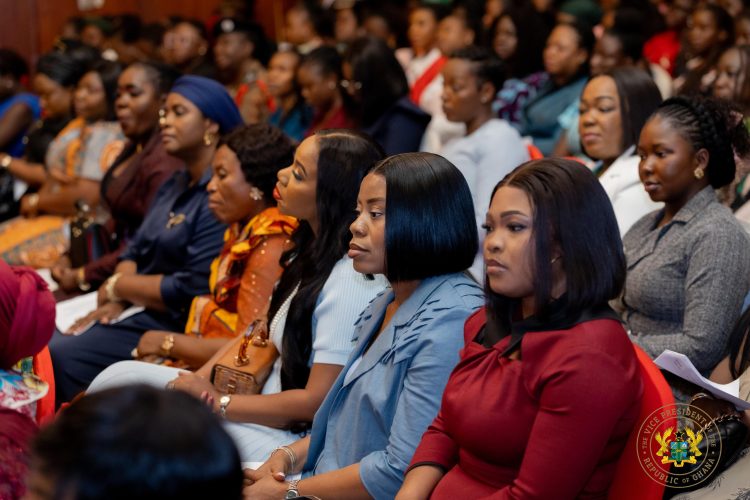
The Vice President, Jane Naana Opoku-Agyemang, has called on women in leadership and the media to move beyond mere visibility and focus on influence anchored in credibility, standards, and public trust.
She made the call while delivering the keynote address at the launch of the maiden edition of Women in Government & Media, held at the Presidential Banquet Hall at Jubilee House, under the theme Leadership, Visibility and Public Trust.
The Vice President stressed that visibility, on its own, does not guarantee progress, warning that influence without standards can be harmful. She underscored the central role of the media in shaping public understanding of power, competence, and authority, describing journalists as “organisers of public attention” who determine which issues are prioritised and which are overlooked.
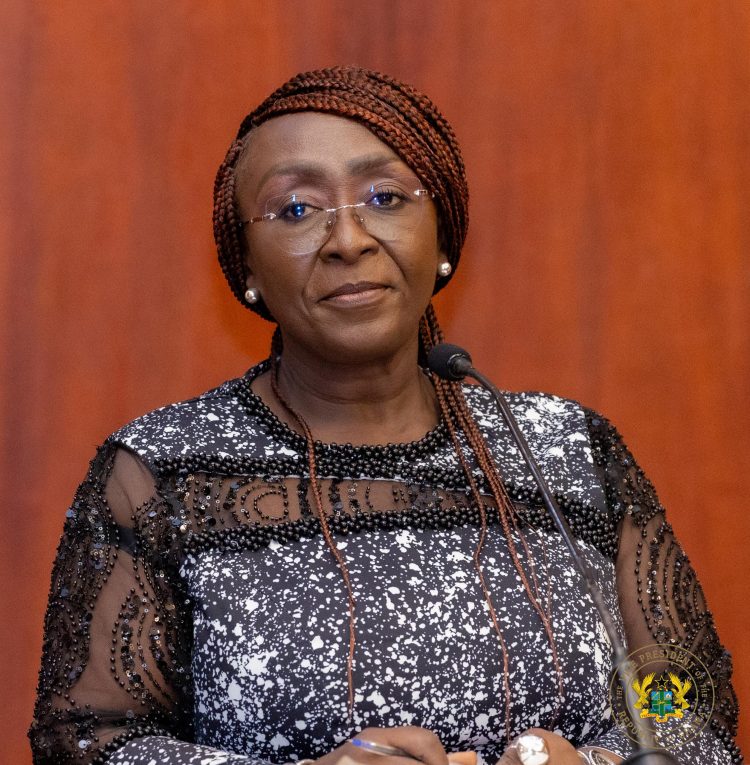
According to her, women in the media occupy a strategic position in national development, as their editorial choices influence whether public debate is driven by evidence and reason or by outrage and sensation.
She explained that the initiative, spearheaded by Government Communications, is intended to strengthen collaboration, leadership capacity, and influence among women shaping public discourse and governance.
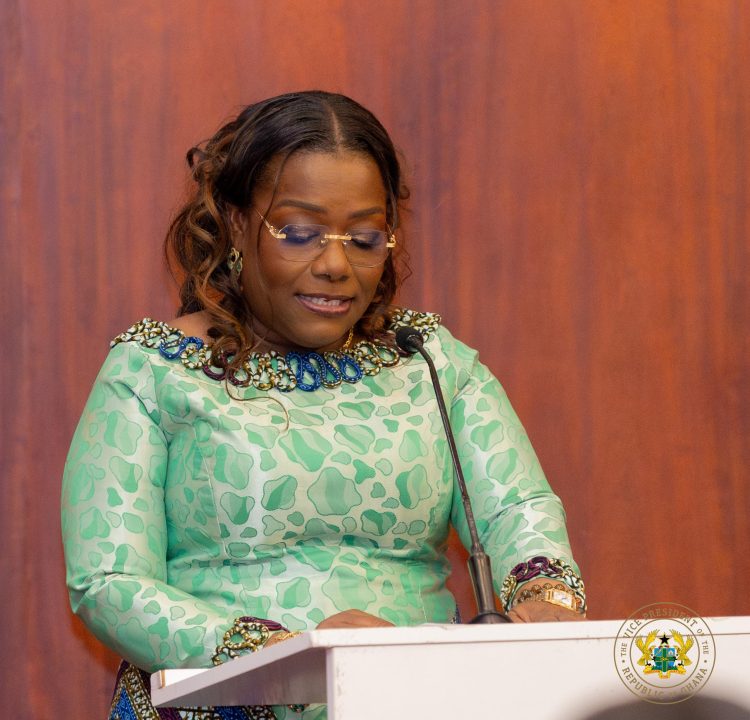
Prof. Opoku-Agyemang highlighted the disproportionate scrutiny faced by women in public life, noting that despite these challenges, national development depends on women contributing meaningfully across Cabinet, Parliament, boardrooms, newsrooms, and communities.
She cautioned against the trivialisation of women’s issues in media coverage, particularly the tendency to focus on appearance and personality rather than competence, judgment, and results.
“When gender issues are treated as clickbait, the public is denied serious engagement with women’s contributions,” she said.
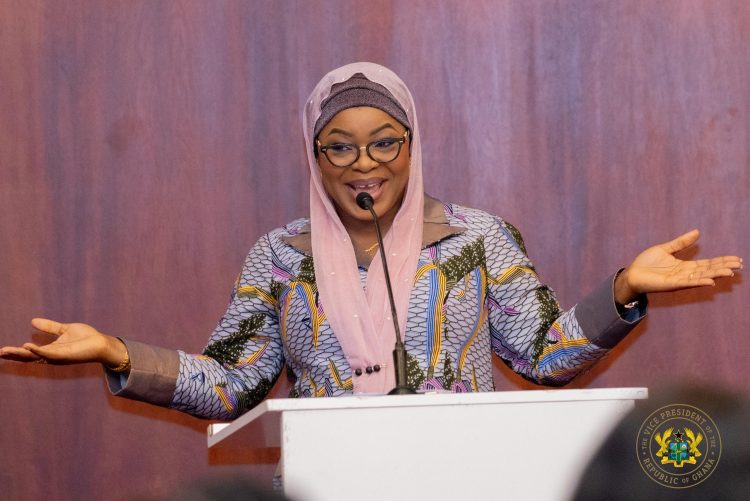
Emphasising the role of trust in leadership, the Vice President noted that public confidence is built through accountability, transparency, and consistency in action. She added that inclusive leadership must be developmental rather than symbolic, arguing that societies that integrate women meaningfully into decision-making build stronger institutions and achieve more stable governance outcomes.
Addressing women in public office, she urged them to lead with integrity, mentor younger professionals, and use visibility to explain policy choices and performance rather than for self-promotion.
She also challenged young women entering journalism and leadership to exercise their influence responsibly, warning that reproducing exclusionary power structures undermines genuine progress.
The event concluded with a call for higher standards in public discourse, particularly in the digital age where speed and controversy often overshadow accuracy and depth. Prof. Opoku-Agyemang noted that democratic governance ultimately depends on informed citizens a responsibility shared by both political leaders and the media.
Story by Sheila Otuo – Baffour