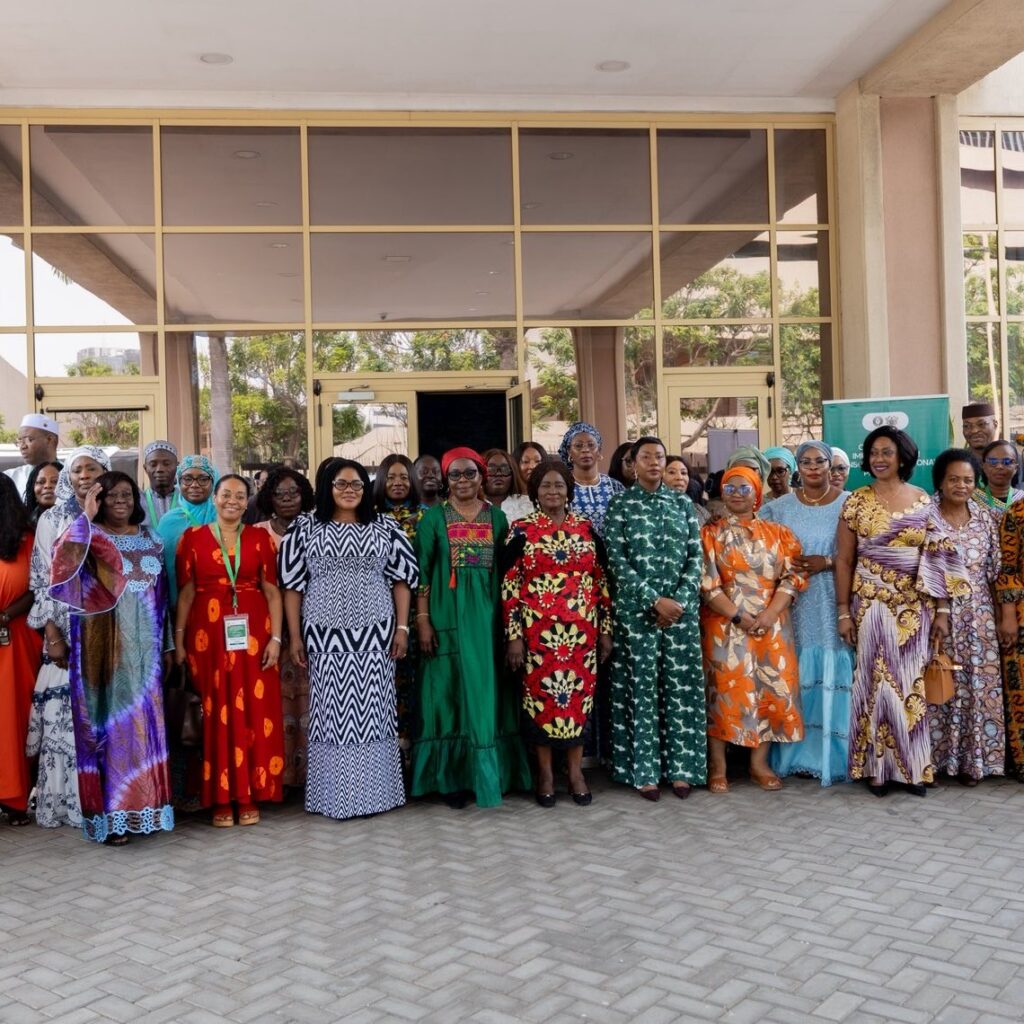
Vice President Jane Naana Opoku-Agyemang has reaffirmed Ghana’s commitment to advancing the political participation and leadership of women and young people across West Africa.
Speaking at a High-Level Regional Consultation on inclusive governance in the sub-region, the Vice President acknowledged that although many West African countries have adopted progressive policy frameworks and regional commitments, the representation of women and youth in key decision-making spaces remains disproportionately low.
She noted that the gap between policy adoption and actual inclusion continues to challenge democratic consolidation across the region.
Professor Opoku-Agyemang outlined steps Ghana is taking to address the imbalance, highlighting the operationalisation of the Affirmative Action Act as a major milestone in strengthening women’s representation in public leadership and governance.
She emphasised that under the leadership of President John Dramani Mahama, gender equity remains a national governance priority, with deliberate reforms aimed at ensuring broader participation of women in political and public life.
Beyond gender inclusion, the Vice President pointed to ongoing measures designed to deepen youth participation in governance. These initiatives, she said, are being spearheaded by the Ministry of Youth Development and Empowerment and the National Youth Authority, with a focus on equipping young people to contribute meaningfully to policy development and national progress.
She stressed that inclusive leadership is central to democratic resilience and institutional effectiveness, arguing that governance systems perform best when they reflect the diversity of the populations they serve.
According to her, sustainable development in West Africa will depend not only on economic reforms but also on deliberate efforts to create space for historically underrepresented groups.
Professor Opoku-Agyemang further reaffirmed Ghana’s readiness to collaborate with the Economic Community of West African States and other regional partners to share best practices, strengthen institutional capacity and accelerate progress toward inclusive governance.
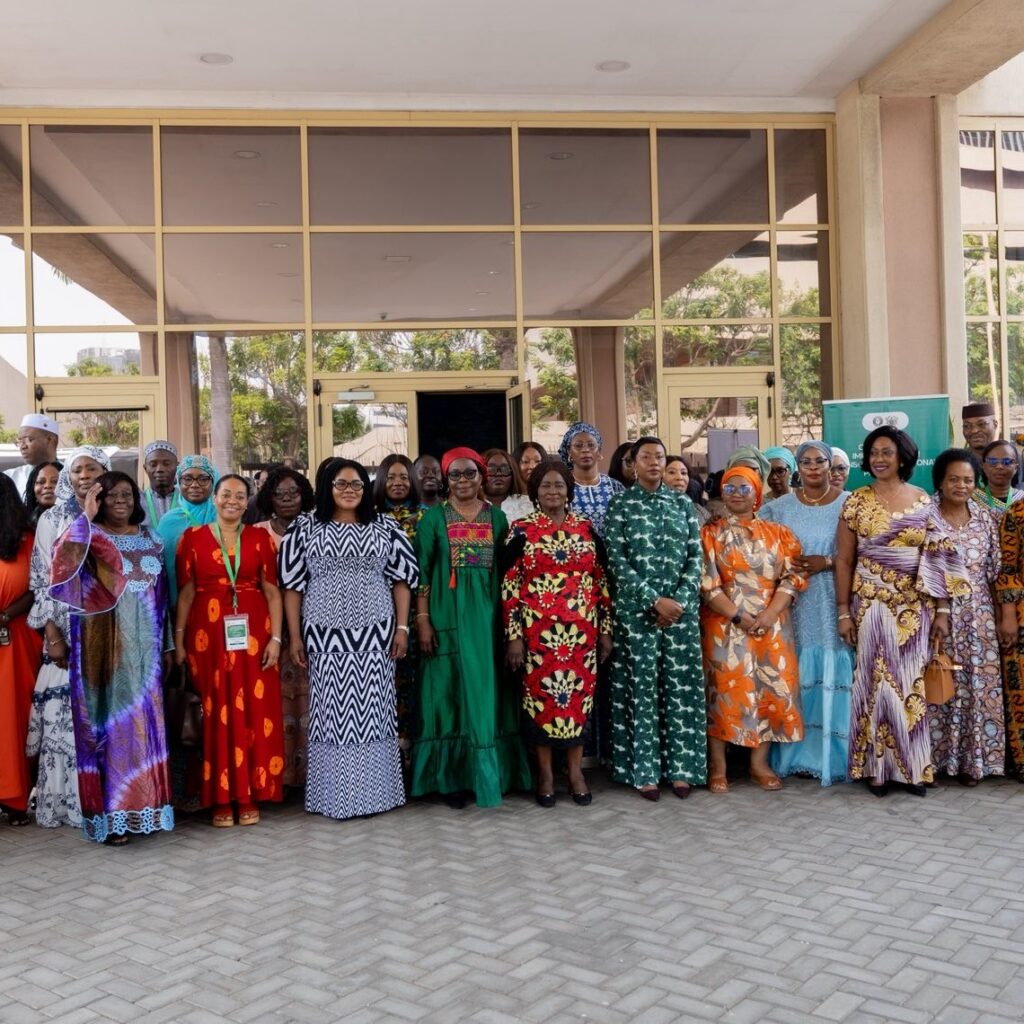
The High-Level Regional Consultation brought together policymakers, development partners and civil society actors to review progress and identify practical steps to enhance representation and participation across the sub-region.
Ghana’s position at the forum reinforces its broader policy direction toward expanding democratic participation and ensuring that women and young people are not only beneficiaries of governance, but active contributors to it.
Story by Sheila Otuo – Baffour