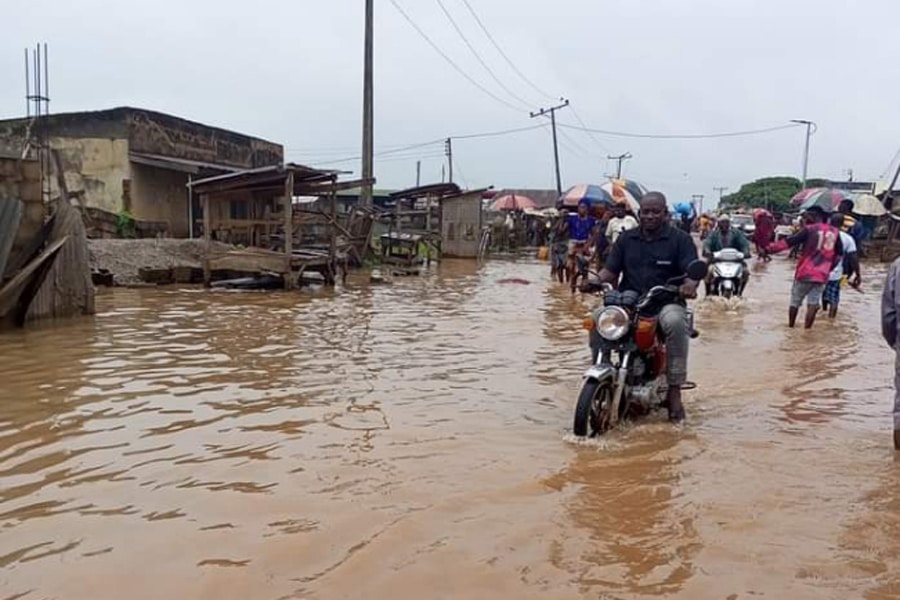
Residents of Accra and several other parts of Ghana have been surprised by rainfall in January, a period traditionally marked by dry conditions under the influence of the Harmattan. While such rains are uncommon at this time of year, climate experts say the phenomenon is becoming more frequent and points to the wider effects of climate change.
Ghana’s climate typically follows a predictable pattern, with the dry season stretching from November to March, especially in the southern sector. January rainfall, particularly in coastal and forest zones, was once considered rare. However, shifts in global and regional weather systems are altering these long-established patterns.
Meteorologists explain that rising global temperatures are warming sea surface temperatures in the Gulf of Guinea. This warming increases moisture in the atmosphere, making it easier for clouds to form and release rainfall even during months that are usually dry. Changes in wind patterns and the weakening or irregular movement of the Harmattan also contribute to these unexpected showers.
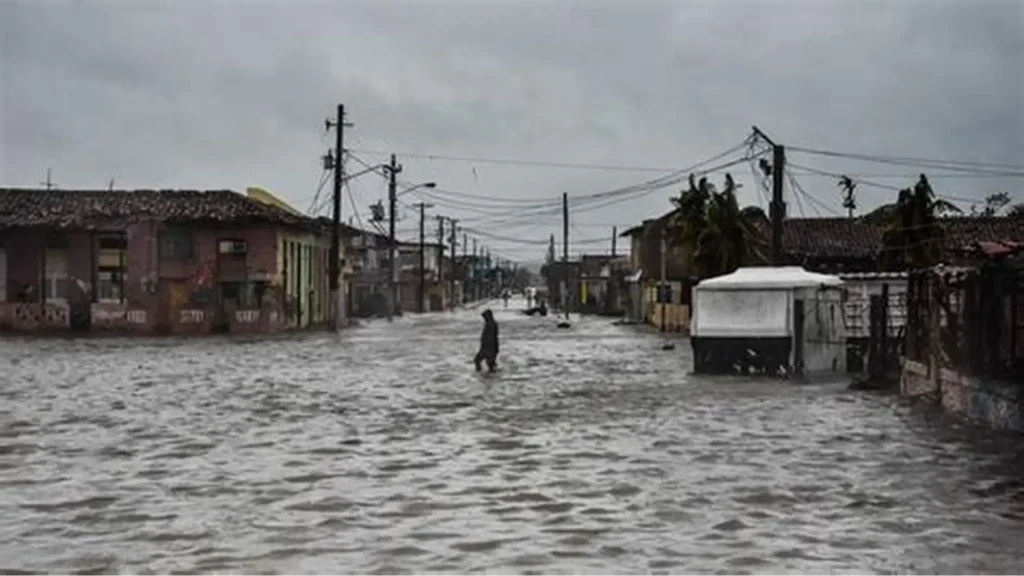
Climate change is also affecting the timing and intensity of Ghana’s rainy seasons. Instead of clear distinctions between wet and dry periods, the country is increasingly experiencing erratic rainfall, including off-season rains, prolonged dry spells, and sudden heavy downpours. January rains, once an exception, are now a visible sign of this growing unpredictability.
The impact goes beyond inconvenience. Unseasonal rains can disrupt farming calendars, damage crops that are not adapted to excess moisture at this time of year, and affect food supply planning. In urban areas such as Accra, poor drainage systems mean even moderate rainfall can lead to flooding, traffic disruptions, and public health concerns.
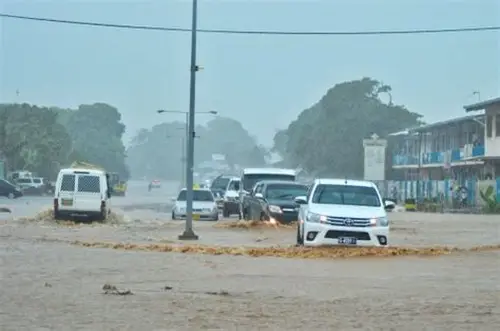
Environmental analysts warn that if global emissions continue at current levels, such weather anomalies will become more common. They stress the need for Ghana to strengthen climate adaptation measures, including improved drainage infrastructure, updated agricultural planning, and stronger early warning systems from meteorological agencies.
While a single rainfall event does not define climate change, the increasing frequency of unusual weather patterns, such as January rains, tells a clearer story. It reflects a climate system under stress, where long-standing norms are being reshaped by global warming. For Ghana, the message is clear: climate change is no longer a distant threat but a present reality, showing up in unexpected ways, even in the heart of the dry season.
Story by Doe Benjamin Kofi Lawson