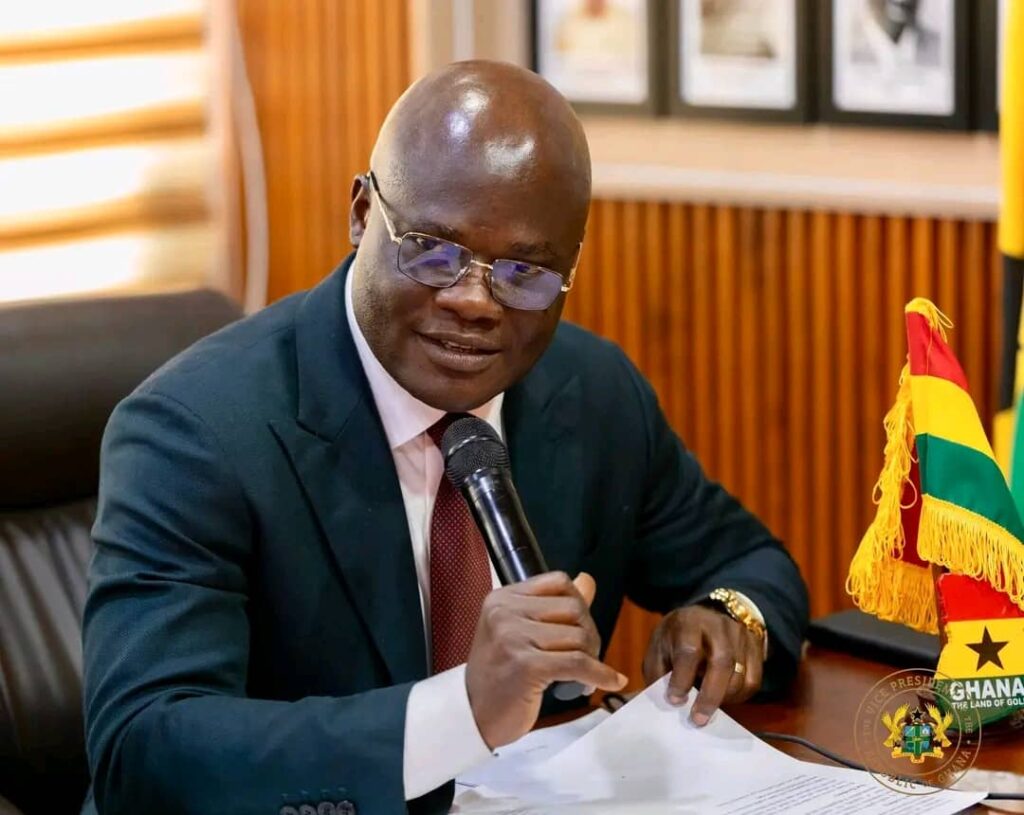
The Ministry of Local Government, Chieftaincy and Religious Affairs says it remains firmly focused on deepening decentralisation and bringing governance closer to communities across the country, as part of the government’s broader reset agenda.
This commitment was highlighted during a working visit to the Ministry, where leadership and staff outlined key reforms and progress aimed at improving responsive governance and service delivery nationwide.
Briefing the delegation, the Minister, Hon. Ahmed Ibrahim, pointed to several milestones achieved since he assumed office. He cited the successful orientation of Metropolitan, Municipal and District Chief Executives, noting that clear guidelines have been issued to ensure the effective and accountable use of the District Assemblies Common Fund.

He also referenced the National Decentralisation Dialogue, describing it as a critical platform that brought together stakeholders to reflect on challenges and chart a more effective path for Ghana’s decentralisation framework.
Hon. Ibrahim further underscored the Ministry’s renewed engagement with traditional authorities, revealing a significant increase in consultations with chiefs and queen mothers. As part of efforts to recognise their role in local governance and social cohesion, allowances for paramount chiefs and queen mothers have been increased by about 300 percent.

On sanitation, the Minister announced that National Sanitation Day work plans have been rolled out as a foundation for a planned 24-hour sanitation programme. The initiative is expected to strengthen public hygiene and improve environmental health across the country.
He added that investor confidence and interest from development partners are gradually improving, driven by what he described as growing stability and clearer policy direction under the current administration.
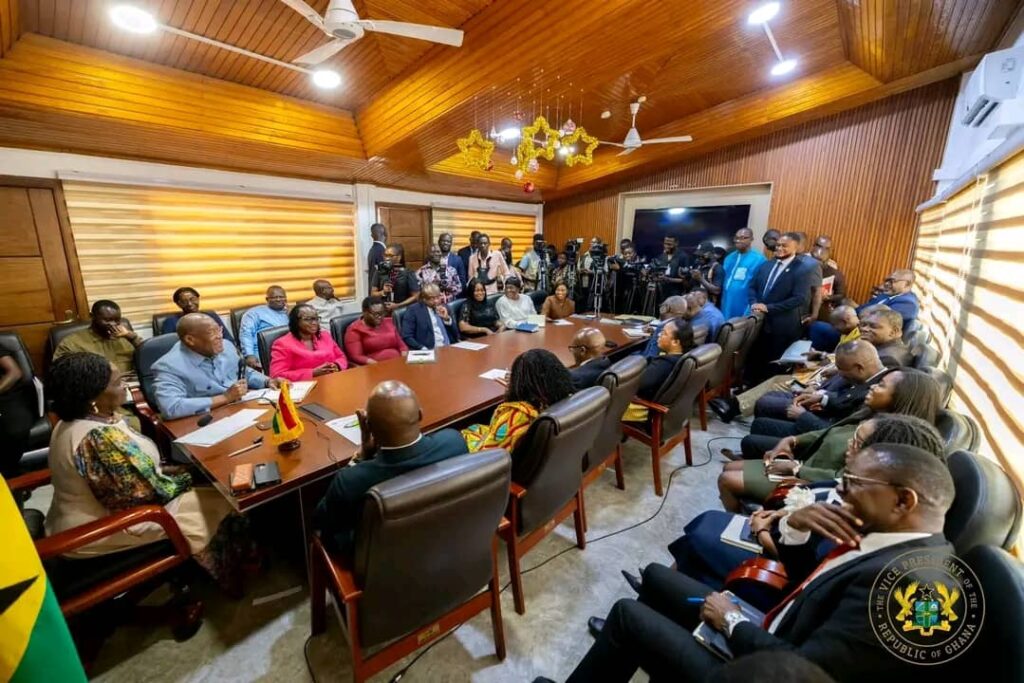
In response, the visiting official acknowledged the Ministry’s central role in government, particularly in efforts to reset the decentralisation agenda and strengthen public institutions. He stressed that social governance remains critical to peace and national development, adding that decentralisation must translate into tangible improvements in the daily lives of citizens.
He also commended the Ministry for its focus on ensuring that DACF disbursements are used for their intended purposes and managed with transparency and accountability.
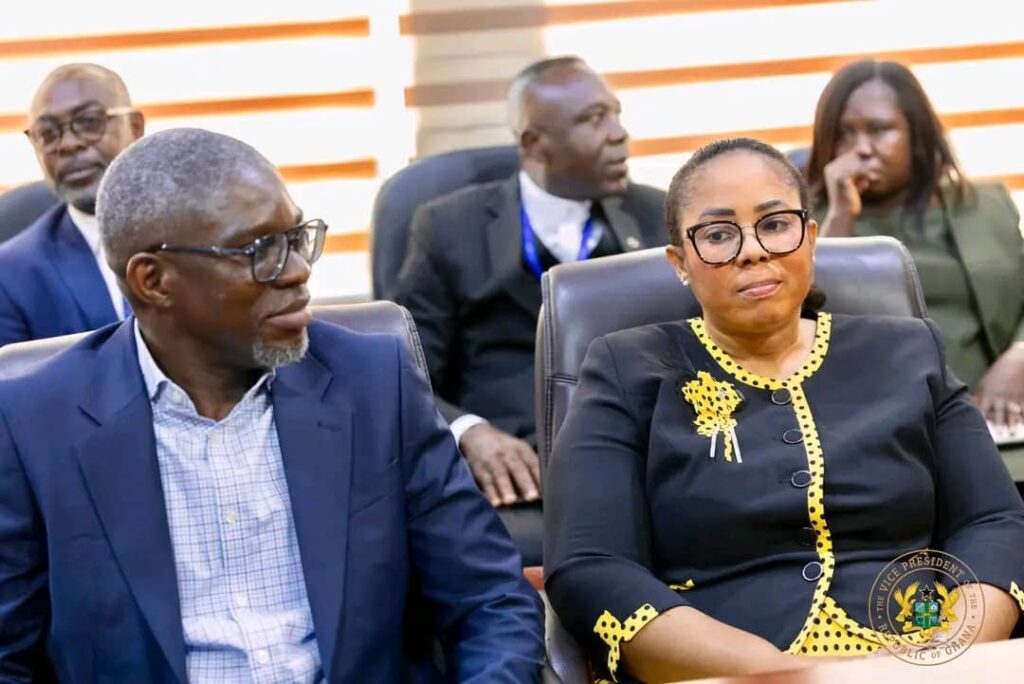
The engagement, he noted, was both an opportunity to encourage the Ministry’s leadership and to listen to concerns on the ground, as government works to improve outcomes at the community level.
He concluded by emphasising that governance is a shared responsibility, calling for continued respect and collaboration among all stakeholders at every level of national life.
Story by Sheila Otuo – Baffour