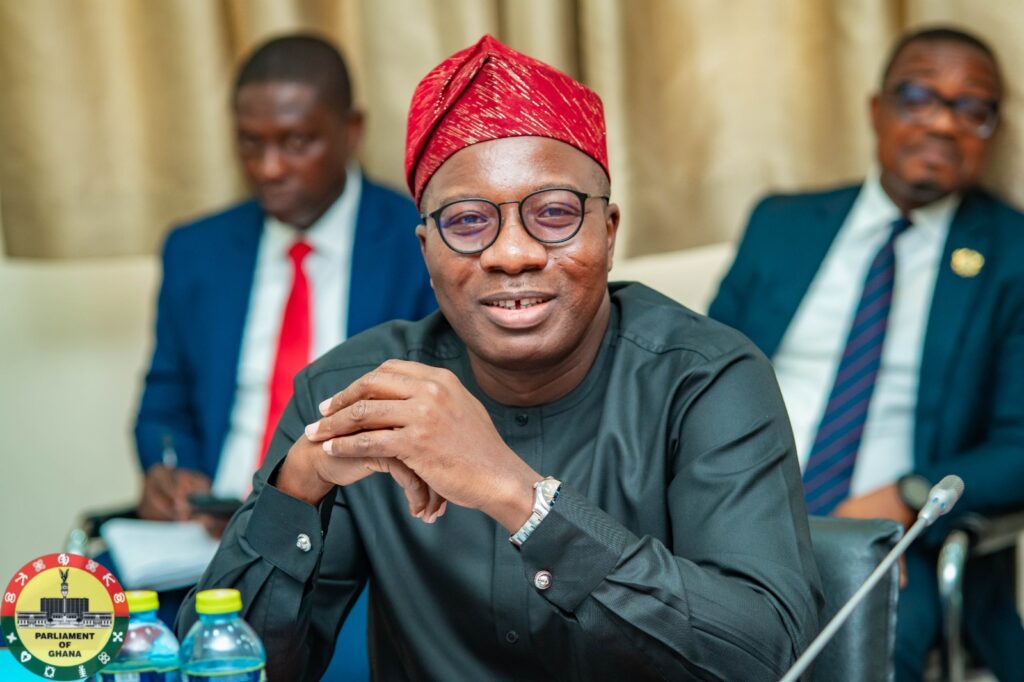
Majority Leader Mahama Ayariga has stated that Ghana’s Parliament is currently ranked as the second most open legislature in Africa, citing ongoing reforms aimed at improving transparency, accountability and public participation in parliamentary proceedings.
According to him, Parliament’s commitment to openness has been strengthened through expanded media access, public engagement initiatives and the live broadcasting of parliamentary sittings.
Speaking during a Leadership Media Briefing on Friday, May 22, 2026, following the resumption of Parliament, Mr. Ayariga said Ghana’s legislature continues to make significant progress in democratic governance and institutional transparency.
“In Africa, we are one of the most open parliaments. In fact, we are number two in Africa. I believe that our aspiration is that we become number one in Africa,” he stated.
The Majority Leader explained that debates surrounding parliamentary rankings often involve comparisons between unicameral and bicameral legislative systems, noting that Ghana operates a unicameral Parliament.
“There is an issue whether we should be put in the category of those who practise the bicameral parliament. We have a unicameral Parliament. But they have number one, and we followed,” he said.
Mr. Ayariga further indicated that the introduction of live television coverage of parliamentary proceedings is expected to further enhance transparency and potentially improve Ghana’s continental ranking in future assessments.
“Now that we have live television broadcasting of our proceedings, in the next rating they might probably review that and Ghana may climb to the top as a parliament,” he added.
Parliament in recent years has increased efforts to improve public access to legislative activities through digital platforms, media engagements and reforms aimed at strengthening democratic accountability.
Governance analysts say greater parliamentary openness plays a critical role in enhancing citizen participation, promoting transparency and building public trust in democratic institutions.