
Food prices played a decisive role in Ghana’s inflation performance in December 2025, as the country recorded a twelfth straight decline in headline inflation, largely on the back of easing pressures within the food basket.
Data from the Ghana Statistical Service (GSS) show that food inflation dropped sharply to 4.9 percent in December, from 6.6 percent in November, making it the strongest driver of the overall slowdown in inflation.
However, beneath the headline improvement, several everyday food items continued to record steep year-on-year price increases, keeping pressure on household spending.
Ginger emerged as the fastest-rising item in the Consumer Price Index basket, with prices jumping 76.7 percent compared to a year earlier. Green plantain followed with a 69.4 percent increase, while charcoal, a major cooking fuel for many households, rose by 66.8 percent.
Other notable price increases were recorded for avocado, which climbed 42.8 percent, palm fruits at 35.2 percent, and fresh coconut at 34 percent. Crab and snail also posted inflation rates above 30 percent.
These items featured strongly among the contributors to overall inflation, not only because of their sharp price increases, but also due to their frequent use in households. Plantain and charcoal, in particular, remain essentials, amplifying their impact on the cost of living even as overall inflation eases.
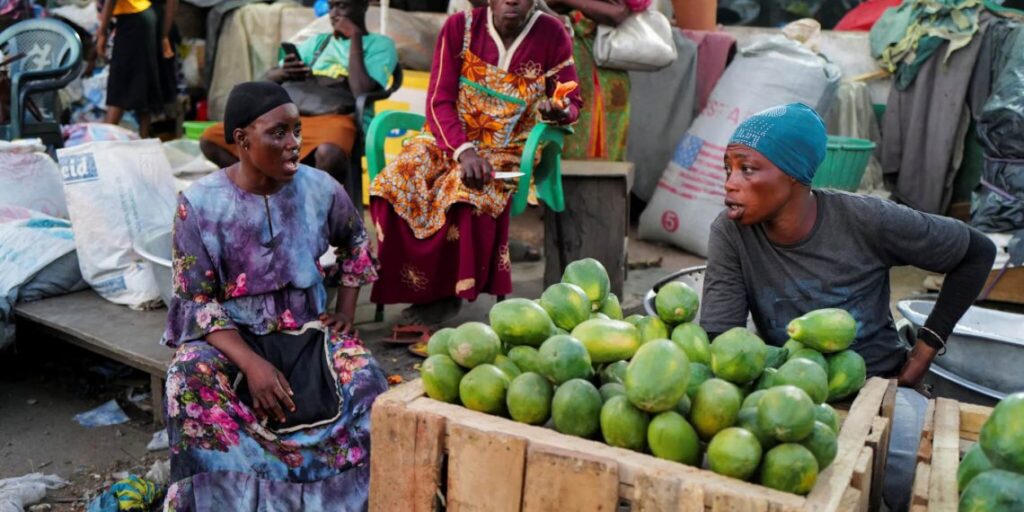
Vegetables pull inflation lower
While some items became more expensive, a broad group of staple foods recorded significant price declines, helping to soften inflationary pressures across the food basket.
Garden eggs posted the steepest drop, falling by 56.7 percent, followed by kontomire, or cocoyam leaves, which declined by 51.9 percent. Fresh tomatoes fell by 39.8 percent, while cabbage and pawpaw each recorded price drops of more than 40 percent.
These reductions had a strong dampening effect on food inflation, especially because these items form the base of many daily meals. Improved harvests, better supply conditions and seasonal price corrections are likely contributing factors.
Monthly pressures remain
Despite the annual slowdown, food prices still increased by 1.1 percent between November and December 2025, pointing to lingering short-term pressures.
Onions, yam and fish recorded month-on-month increases, influenced by seasonal demand, transport costs and distribution challenges.
What the numbers reveal
The December figures suggest that Ghana’s inflation slowdown is uneven across food categories. Sharp declines in vegetables are offsetting rising prices in items such as plantain, charcoal and spices, creating a mixed picture for consumers.
This trend indicates that inflation is becoming more item-specific rather than broad-based, opening the door for more targeted policy responses instead of blanket price interventions.
Why it matters
For households, the easing in overall food inflation offers some relief, but high prices for key staples mean the cost-of-living burden remains real. For policymakers, the data underline the importance of investments in storage, transport infrastructure, irrigation and market access, especially for products that continue to push inflation upward.
As Ghana completes a full year of declining inflation, the December CPI data make one thing clear: food prices, item by item, will continue to shape how inflation is felt in homes and marketplaces across the country.