Ghana Seeks Equal Partnerships to Boost Local Mineral Processing
Ghana has called for stronger international partnerships that prioritise local processing of mineral resources, insisting that future mining agreements must deliver greater economic benefits and technical expertise to the country rather than focus solely on the extraction of raw materials.
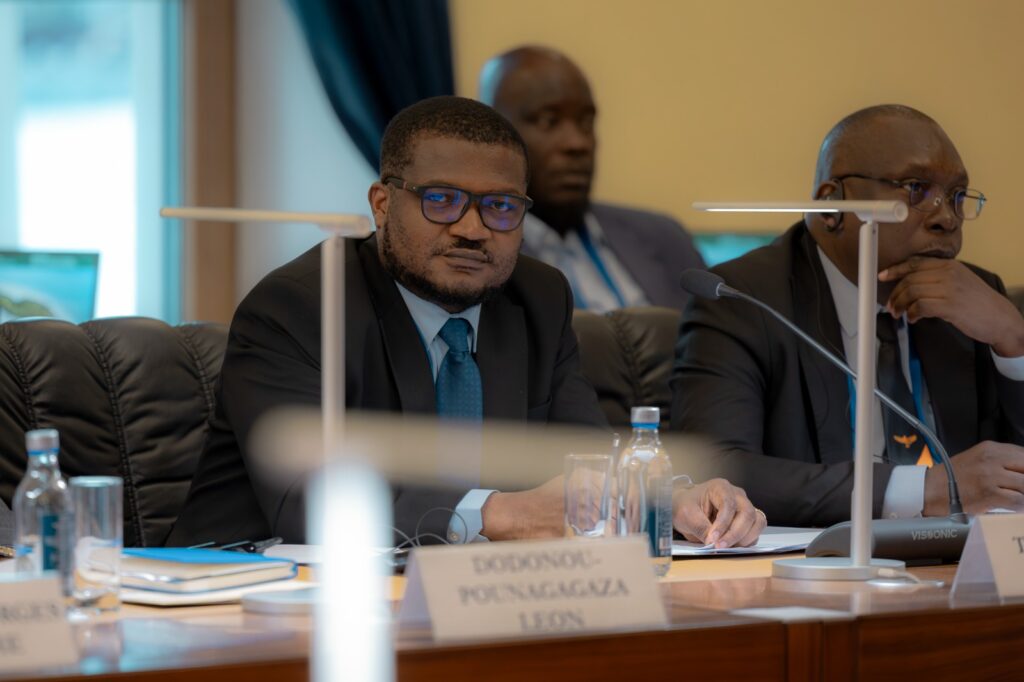
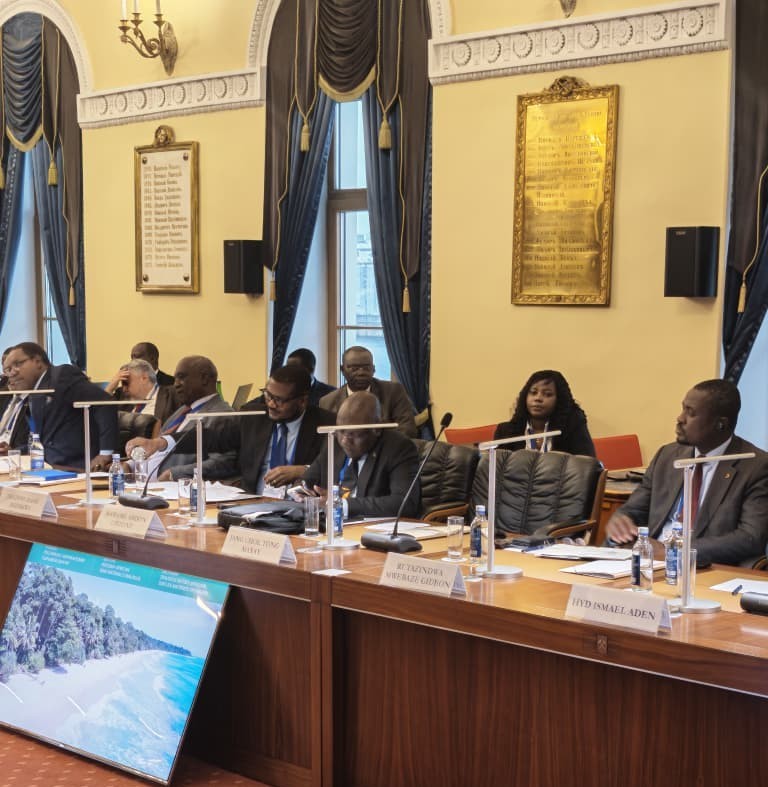
The position was presented by the Chief Executive Officer of the Minerals Commission, Mr Isaac Tandoh, on behalf of the government at the ministerial roundtable of the Second Russian-African Raw Materials Dialogue in Saint Petersburg, Russia.
Mr Tandoh said Africa’s limited capacity to process its mineral wealth locally remained a major challenge, despite the continent’s significant contribution to global gold production. He noted that eight of the world’s 20 leading gold-producing countries were in Africa, yet only about two per cent of the continent’s natural resources were processed locally.
He said Ghana, as Africa’s leading gold producer, was determined to prioritise partnerships that would strengthen domestic value addition and ensure that mineral resources contributed more substantially to national development.
“ All future cooperations must move beyond simple raw material extraction toward a partnership of sovereign equals,” he said.
Mr Tandoh stressed that Ghana was open to knowledge sharing and the transfer of advanced technologies from Russia and other countries. However, he said such arrangements must be structured to build local capacity and equip Ghanaian engineers and institutions with practical, measurable skills.
He emphasised that cooperation should not result in a one-sided arrangement in which Ghana supplied raw materials while the greater benefits of technical expertise and industrial development accrued elsewhere.
The Minerals Commission CEO also highlighted Ghana’s expanding interest in strategic minerals, including lithium, iron ore and bauxite, as the country sought to broaden its mineral resource base and create new opportunities for industrial development.
He cited the roles of the Ghana Integrated Aluminium Development Corporation (GIADEC) and the Ghana Integrated Iron and Steel Development Corporation (GIISDEC) in advancing the country’s ambitions in the minerals sector.
On regulation, Mr Tandoh said Ghana was strengthening its mining governance systems through modern regulatory frameworks and digital technologies designed to improve transparency and compliance.
He pointed to the Minerals Commission’s digital Mining Cadastre Administration System (MCAS) and the use of geofencing technology as measures to strengthen the monitoring of mineral rights and mining operations.
According to him, these systems were intended to ensure that mineral rights acquisitions and mining activities complied with established requirements while safeguarding the interests of the state and other stakeholders.
Mr Tandoh consequently called for a formal Ghana-Russia Mining Cooperation Framework that would promote reciprocity, institutional collaboration and shared economic benefits.
He observed that Russia’s demand for critical minerals presented an opportunity for cooperation with Ghana, given the country’s mineral resource potential.
He urged both countries to pursue partnerships that would support industrial development and deliver lasting benefits, with technical training and industrial cooperation channelled through Ghanaian institutions to strengthen local expertise.
The Second Russian-African Raw Materials Dialogue is organised by the Ministry of Foreign Affairs of the Russian Federation, the UNESCO International Competence Centre for Mining Engineering Education and Saint Petersburg Mining University.
The event, which runs from October 12 to 16, 2026, has brought together representatives from more than 40 African countries, including over 100 heads of agencies and organisations, alongside academics, industry experts and other international participants.
The discussions are focused on strengthening cooperation in natural resource management, technological innovation and engineering education, with particular attention to the sustainable development of raw materials.
Story By: Sheila Otuo- Baffour