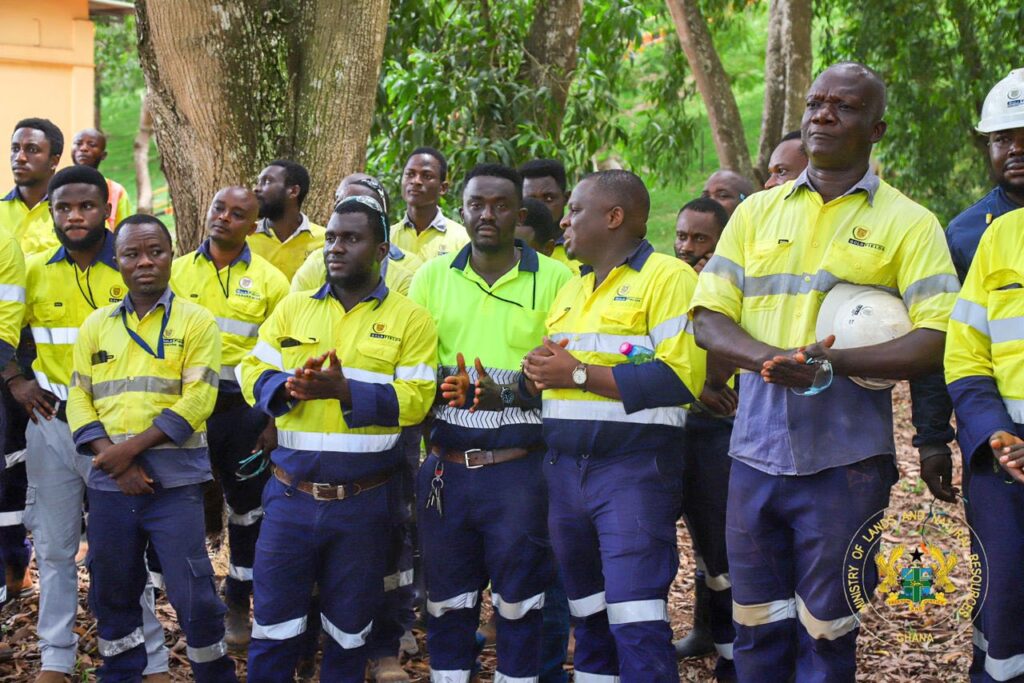
The Minister for Lands and Natural Resources, Emmanuel Armah-Kofi Buah, has expressed confidence in government’s readiness to assume control of the Damang Mine, assuring workers of job security ahead of the April 18 transition deadline.
Speaking during a working visit to the mine, the Minister said extensive preparatory measures had been put in place to ensure uninterrupted operations during the takeover.
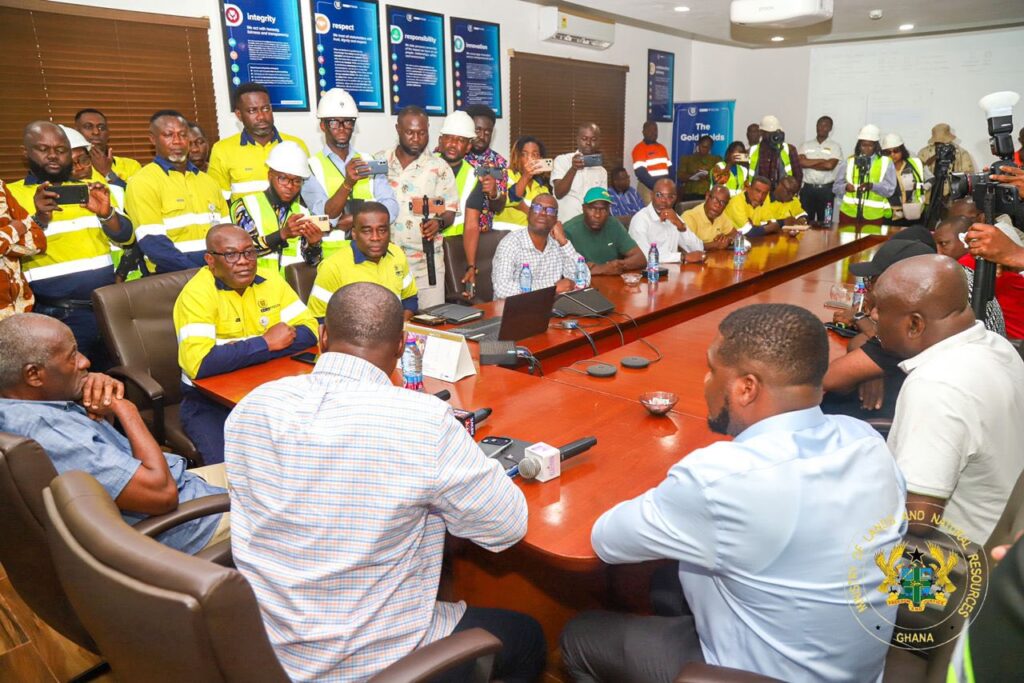
“I am very confident that all the preparatory works will ensure a smooth, uninterrupted takeover by the Government of Ghana,” he stated, commending the transition team and stakeholders for their cooperation.
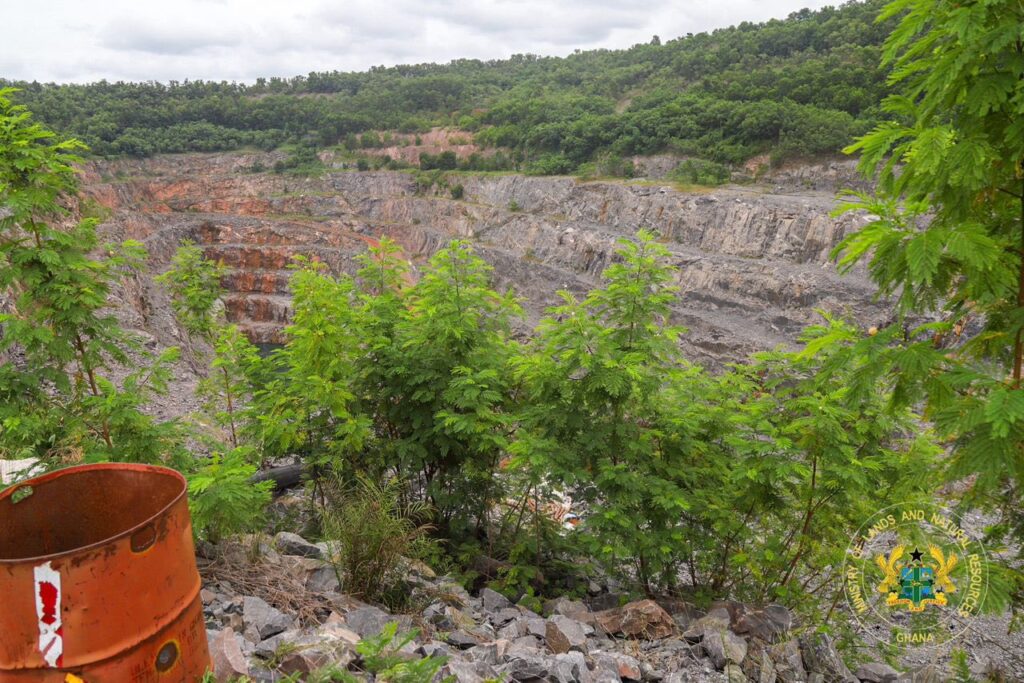
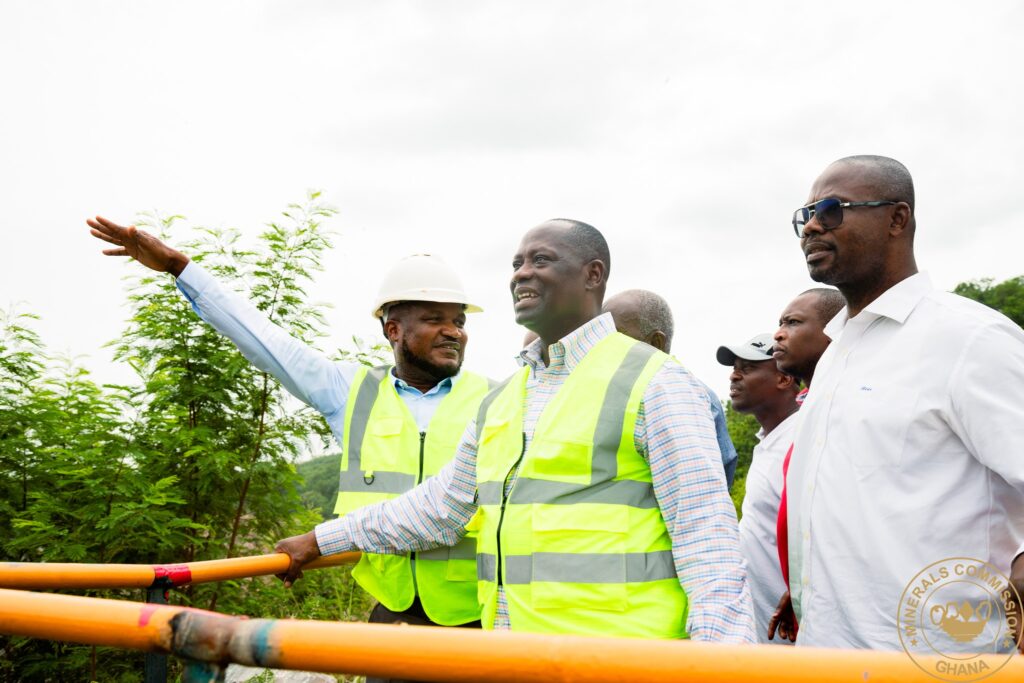
Following an inspection of the mine’s pits, Mr. Buah acknowledged the scale of technical and financial investment required to sustain operations, stressing that competence will be the key determinant in selecting a new operator.
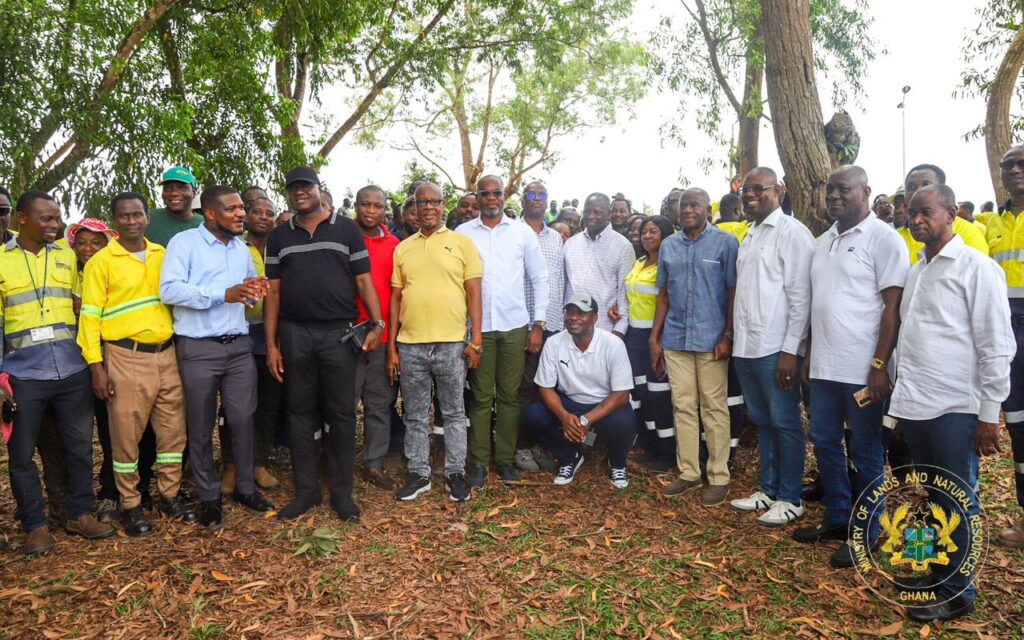
“It is clear that significant technical work and capital will be required. That is why we are focused on ensuring that any contractor engaged has the capacity to deliver,” he said.
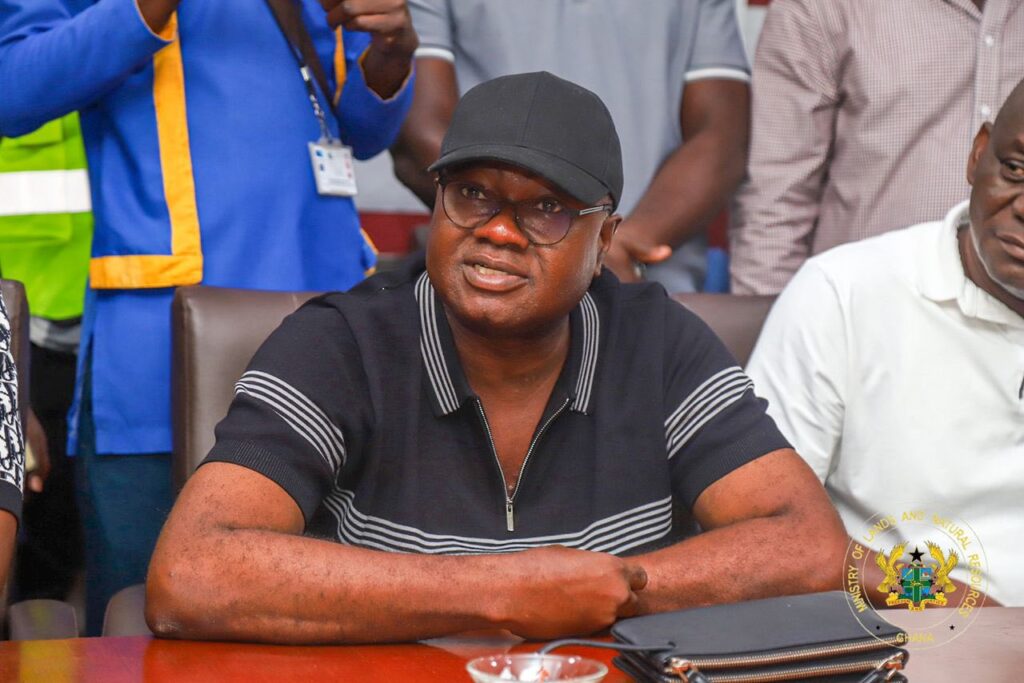
Workers Assured Amid Uncertainty
Amid growing anxiety among workers, the Minister gave firm assurances that jobs and benefits would be protected throughout the transition.
“What workers need is certainty that their jobs are secure and their benefits will remain intact. That is our commitment,” he emphasised.
On the ongoing tender process, Mr. Buah declined to disclose specifics but insisted that transparency and due process were being upheld.
“We have put in place strong transparency measures. Once the process is complete, the details will be made public,” he added.
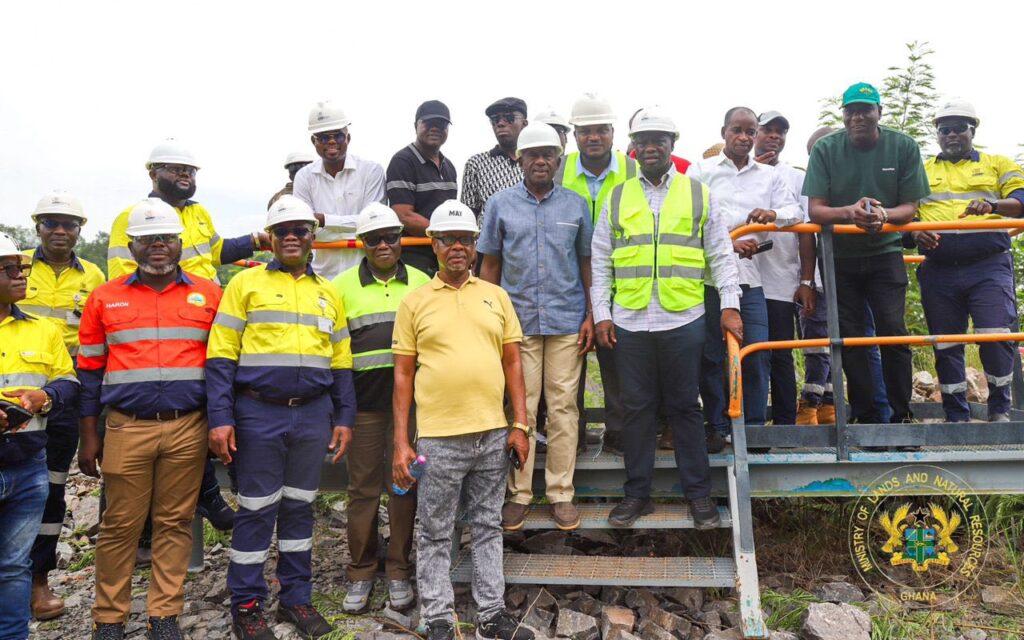
The Damang Mine, currently operated by Gold Fields, is set to revert to state control as part of broader restructuring efforts within Ghana’s mining sector.
E&P Capacity Highlighted as Jobs Risk Looms
Meanwhile, the Mining Manager of Gold Fields at Damang, Frank Denkyi Adjei, has indicated that Engineers and Planners (E&P) possesses the operational capacity to take over the mine, warning that failure to grant the lease could put hundreds of jobs at risk.
Speaking during a media tour, Mr. Adjei outlined ongoing operations, expansion prospects, and existing investments, arguing that the current setup strongly supports continuity.
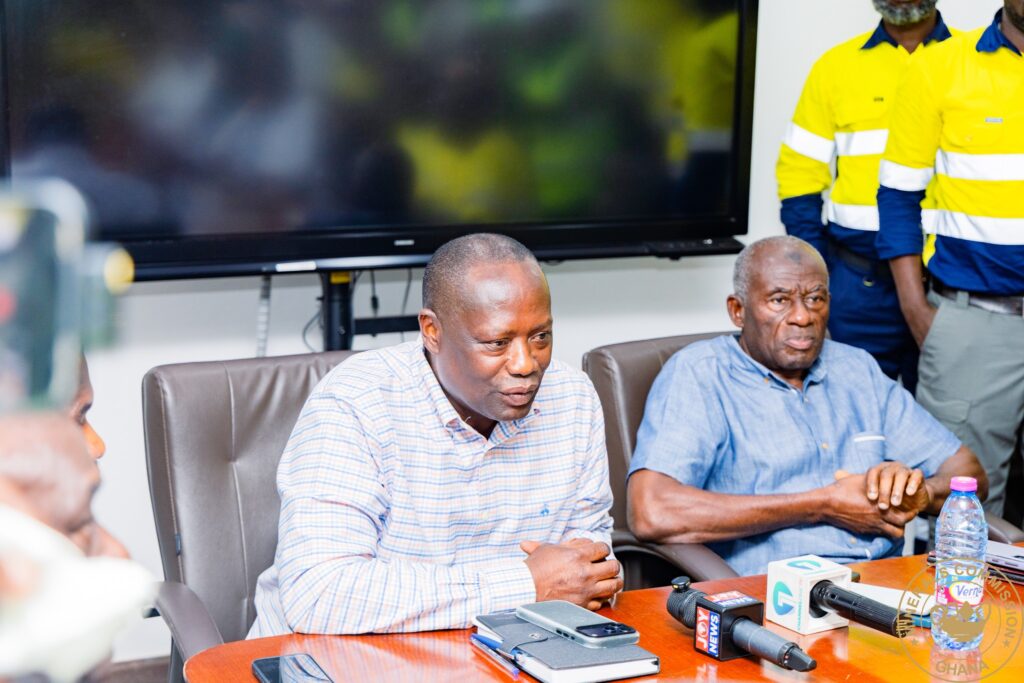
Central to his briefing was the need to expand beyond the existing pit to sustain ore supply to the processing plant.
“The current pit alone cannot deliver the required ore,” he said, pointing to the Nyame Pit and other southern and eastern deposits as critical to maintaining production.
According to him, developing these areas could extend the mine’s lifespan by between eight and ten years beyond the April deadline.
Equipment, Investment Underscore Readiness
Mr. Adjei highlighted the scale of investment already deployed on-site, including high-capacity excavators, multiple Pantera drill rigs, a Rock Commander drill, and several bulldozers operating across the mine.
He noted that the equipment newly procured and fully registered reflects a well-structured and mobilised operation that cannot be replicated within short timelines.
“You cannot walk into any factory and procure this equipment within six months,” he stressed.
From his assessment, the existing operational base demonstrates that E&P has the technical expertise, equipment, and workforce needed to ensure a seamless transition if awarded the lease.
Livelihoods at Stake
Beyond the technical considerations, Mr. Adjei warned of the potential social and economic consequences if continuity is disrupted.
He noted that hundreds of workers including engineers, machine operators, and support staff could face job losses if the lease is not granted to E&P.
“These are real livelihoods that depend on the continuity of this operation,” he said, adding that the impact would ripple through families and surrounding communities.
High-Stakes Decision Ahead
With the April 18 deadline approaching, the Damang transition has evolved into a high-stakes decision balancing technical capacity, investment protection, and employment security.
The outcome of the tender process will not only determine the mine’s next operator but also shape the economic future of hundreds of workers and the stability of the local mining ecosystem.
Story by Sheila Otuo – Baffour