
The Minority Leader in Parliament, Alexander Kwamena Afenyo-Markin, has raised concerns about the growing unemployment crisis facing young graduates in Ghana, warning that the country cannot continue producing graduates without creating adequate opportunities for them.
Speaking at the Beyond the Degree Conference 2026, he said thousands of young Ghanaians are completing tertiary institutions only to face limited employment prospects, particularly in the public sector.
Citing figures from the Ghana Statistical Service, Afenyo-Markin noted that youth unemployment remains significantly high, with many graduates forced to accept jobs that do not match their qualifications or remain unemployed for long periods after completing school.
He pointed to the health sector as a clear example of the problem, revealing that government has already indicated it cannot absorb all trained nurses into the public workforce.

“The Government, through the Minister of Health, told us last year that it cannot employ all 74,000 trained nurses by the end of 2026,” he said, adding that thousands of trained teachers are also still waiting to be posted or recruited.
According to him, the situation has been compounded by the discontinuation of key industrial programmes that were designed to create jobs across the country.
He referenced the One District One Factory (1D1F) initiative introduced under former President Nana Addo Dankwa Akufo-Addo, which aimed to stimulate local manufacturing and expand employment opportunities.
The Effutu MP also criticised recruitment processes into the security services, describing them as frustrating for many young applicants.
He said more than 500,000 young people purchased recruitment forms, yet only about 5,000 positions were available, leaving the vast majority disappointed despite meeting the basic requirements.
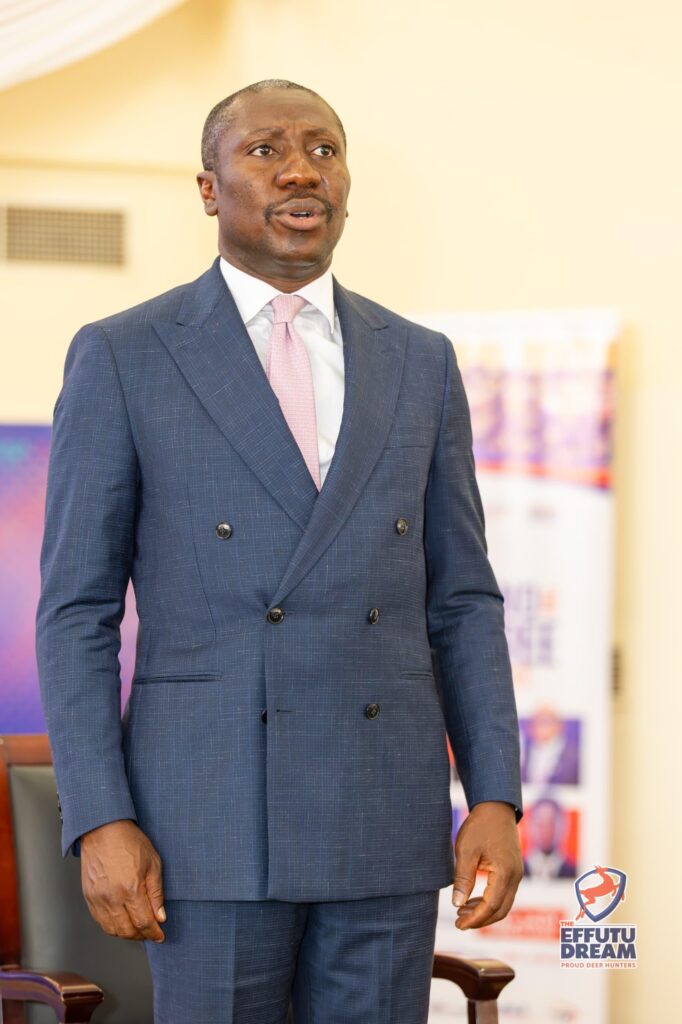
Despite the challenges, Afenyo-Markin urged young people to rethink their expectations about employment and consider entrepreneurship, technical skills and innovation as alternative paths to economic success.
“The future of Ghana cannot be built by job seekers alone. It must also be built by job creators,” he stated.
He also revealed that in his constituency he has implemented several initiatives to support youth empowerment, including the distribution of over 10,000 industrial and hand-sewing machines, scholarships and apprenticeship programmes in trades such as carpentry, tailoring and tiling.
However, he expressed concern that some beneficiaries had sold the equipment or abandoned training programmes meant to help them build sustainable livelihoods.
Afenyo-Markin further encouraged young people to participate actively in governance by using constitutional tools such as petitions and the Right to Information law to demand accountability from public institutions.
He stressed that education should not only prepare students for examinations but should also equip them with the skills, resilience and leadership qualities needed to contribute meaningfully to national development.
According to him, Ghana’s youthful population presents a significant opportunity for innovation and transformation if young people are prepared to move beyond academic qualifications and take initiative in shaping their own futures.
Story By: Sheila Otuo- Baffour