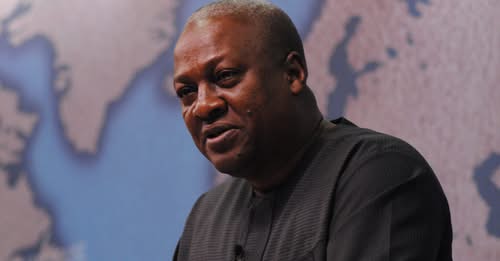
Ghana’s President, John Dramani Mahama, has unveiled a new global development framework aimed at reshaping Africa’s economic and political trajectory.
The initiative, known as the Accra Reset Initiative (ARI), seeks to reduce Africa’s structural dependence on external actors and reposition the continent toward self-driven growth and sovereignty.
Speaking on the rationale behind the framework, President Mahama described Africa’s current development model as one built on what he termed a “tripled dependency.” According to him, the continent remains reliant on external actors for security, donors for social services, and foreign firms for mineral value chains — a pattern he argues undermines genuine sovereignty and long-term stability.
Rethinking Africa’s Development Model
The ARI proposes a shift from aid-driven systems to domestically anchored solutions, with emphasis on:
- Strengthening internal security architecture to reduce overdependence on foreign military support.
- Rebuilding social service financing models to limit donor vulnerability.
- Retaining greater value from natural resources by promoting local processing and industrialisation.
At the heart of the framework is the argument that Africa cannot achieve meaningful independence while its core sectors remain externally structured and financed.
President Mahama maintains that sovereignty must go beyond political independence to include economic autonomy and control over strategic assets. He argues that mineral wealth, in particular, must serve as a foundation for industrial transformation rather than a pipeline for raw exports.
Mineral Value Chains in Focus
Africa holds a significant share of the world’s critical minerals, yet much of the processing and value addition occurs outside the continent. The ARI framework calls for a coordinated continental strategy that ensures minerals are processed locally, creating jobs, building technical capacity and expanding tax revenues.
The proposal aligns with ongoing conversations within African policy circles about value addition, industrial policy and fairer global trade arrangements.
A Continental Conversation
While details of implementation are yet to be fully outlined, the Accra Reset Initiative is expected to spark debate across governments, regional blocs and development institutions.
Analysts say the success of the framework will depend on political will, regional cooperation and financing mechanisms that can support large-scale structural change without triggering economic instability.
For Ghana, the initiative positions Accra as a thought leader in shaping the next phase of Africa’s development discourse. For the continent, it raises a central question: can Africa transition from dependency to durable autonomy in an increasingly complex global order?
The coming months are likely to determine whether the Accra Reset Initiative evolves from a policy concept into a coordinated continental agenda.