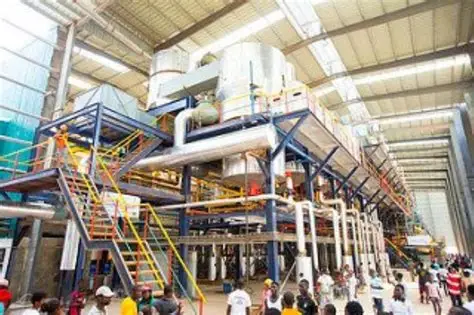
The Member of Parliament for Techiman North, Elizabeth Ofosu-Adjare, who doubles as the Minister for Trade , Industry and Agri Business has raised serious concerns over the deteriorating state of the Komenda Sugar Factory, citing persistent operational failures and mounting financial distress that have eroded its strategic importance.
Addressing Parliament, Hon. Ofosu-Adjare recalled that the factory was commissioned in 2016 as part of a national strategy to establish self-sustaining agro-industrial zones. Nearly a decade later, she said, that vision remains unrealised due to chronic underinvestment, poor maintenance, failing infrastructure, and an unreliable supply of raw materials.
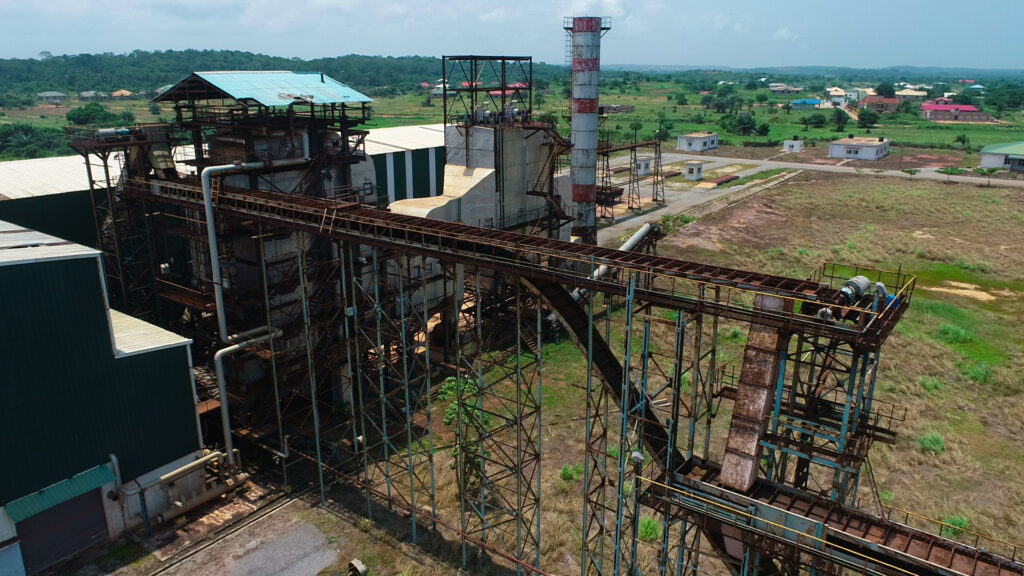
She noted that the factory was designed to process about 1,200 metric tonnes of sugarcane daily, with an output of between 112 and 150 metric tonnes of refined sugar. At optimal capacity, it was projected to create roughly 80,000 direct and indirect jobs, delivering significant economic benefits to Komenda in the Central Region and to the wider Ghanaian economy.
According to the MP, the facility has never operated anywhere near full capacity. She disclosed that core machinery has not been refurbished since commissioning, leaving generators, motors, and other critical equipment obsolete and in urgent need of replacement.
The situation has been worsened by the disconnection of the factory from the national power grid by the Electricity Company of Ghana and from water supply services by the Ghana Water Company Limited, following the accumulation of unpaid bills. These arrears, she said, have added to the factory’s growing debt burden.
Hon. Ofosu-Adjare further pointed to the persistent shortage of sugarcane as a critical bottleneck, undermining any attempt to sustain operations even when equipment is functional.
She called for urgent, coordinated government intervention to rehabilitate the Komenda Sugar Factory, clear its utility debts, restore essential services, and stabilise raw material supply, stressing that without decisive action, the factory risks becoming a permanent drain on public resources rather than the agro-industrial anchor it was intended to be.
Story bt Sheila Otuo – Baffour