The Government of Ghana has reaffirmed its commitment to transforming the economy through trade, agribusiness and industry, with a strong focus on job creation, value addition and export expansion.
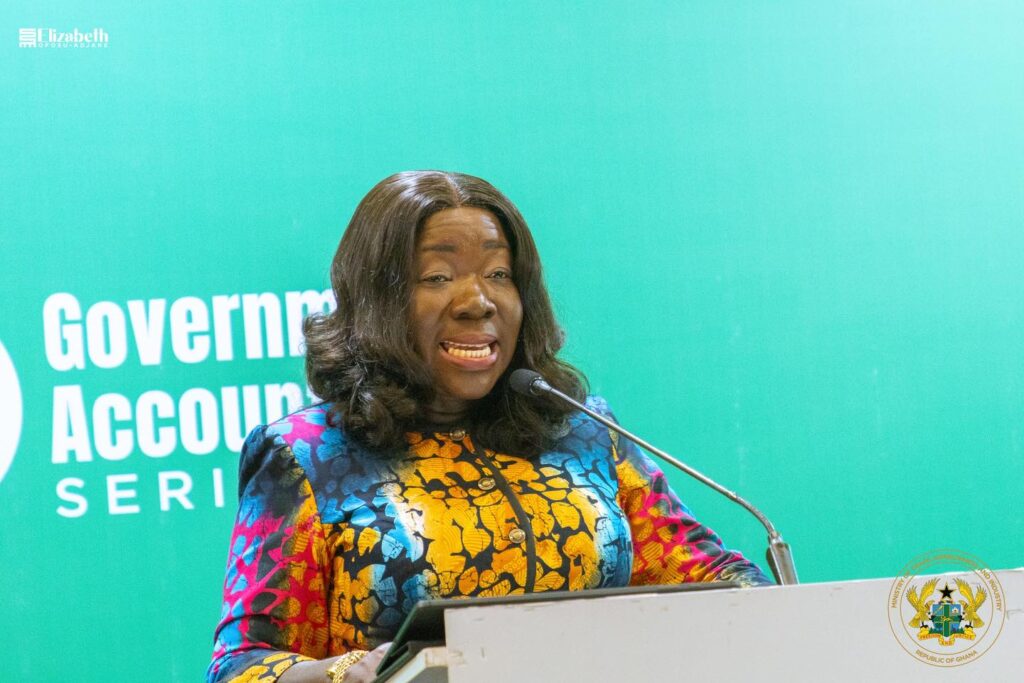
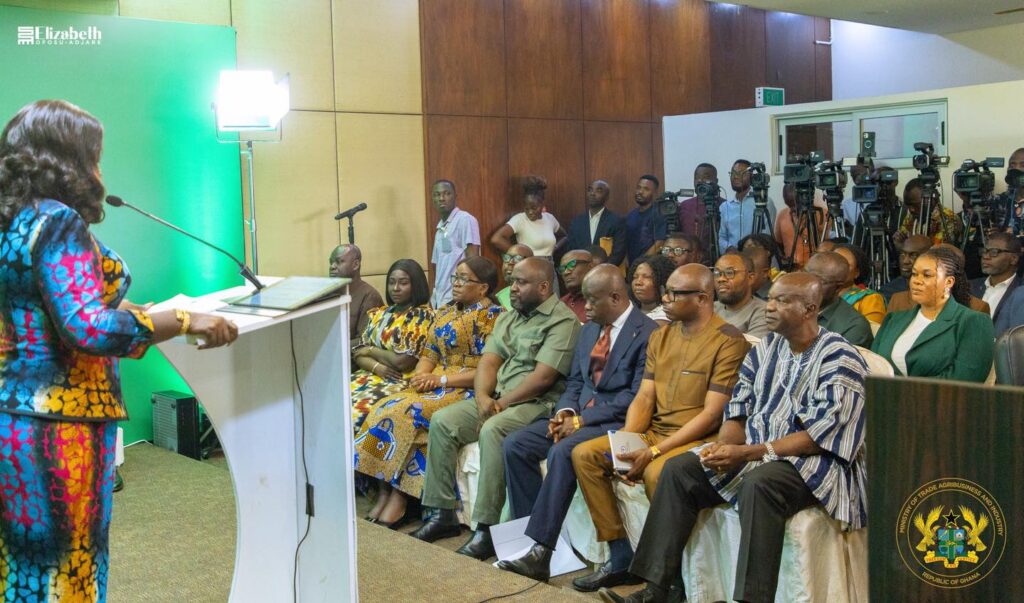
At a Meet the Press engagement in Accra, the Minister for Trade, Agribusiness and Industry, Hon. Elizabeth Ofosu-Adjare, outlined far-reaching reforms and achievements under the ministry’s new mandate, following its realignment under Executive Instrument (E.I. 1) of 2025.
She said the reset of the ministry reflects the vision of President John Dramani Mahama to build a resilient, export-driven economy that delivers decent and sustainable jobs, particularly for the youth.
“Our focus is simple,” the Minister noted. “We want to make Ghana a competitive production hub by supporting manufacturing, agribusiness and domestic trade while opening new markets for Ghanaian products.”

Strong export performance
One of the standout achievements highlighted was the strong growth in non-traditional exports. Between January and June 2025, earnings reached 2.54 billion US dollars, representing a 41 per cent increase over the same period in 2024. The growth was driven by value addition, market diversification and targeted export support programmes.
The Accelerated Export Development Programme has played a central role, with the President himself chairing its advisory committee. Exporter forums, improved repatriation timelines for export proceeds and high-level trade missions have helped Ghanaian businesses gain access to new markets.
Ghana’s participation in the World Expo in Osaka, Japan, and major international trade fairs has also attracted strong investor interest in sectors such as automotive components, cocoa, shea, cashew and horticulture.
Boosting agribusiness and industrial growth
The ministry is also investing heavily in agribusiness and agro-processing as part of efforts to reduce post-harvest losses and integrate smallholder farmers into commercial value chains. Several agro-processing facilities are being established across the country, alongside the rollout of green processing technologies and skills training for artisans and farmers.
Under the Rapid Industrialisation for Jobs Initiative, key manufacturing policies covering textiles and garments, pharmaceuticals, special economic zones and automotive components have been completed. Discussions are ongoing with international partners to establish electric vehicle assembly plants in Ghana.
Steps are also being taken to revive strategic state-owned enterprises, including sugar, textiles, meat processing and tomato factories, to restore productivity and create employment.
Supporting local industry and entrepreneurs
Through the Made-in-Ghana Programme, government has intensified efforts to promote locally manufactured goods, including sourcing uniforms and apparel for state institutions from domestic producers. The Ghana Standards Authority has scaled up inspections and certification to protect consumers and improve product quality.
Meanwhile, the Apprenticeship to Entrepreneurship Programme has trained more than 155,000 young people nationwide, with thousands receiving start-up kits and access to financing to launch their own businesses.
Women-led enterprises have also received targeted support under the Women in Trade, Agribusiness and Industry Programme, especially in cross-border trade and export readiness.

Improving the business environment
To make Ghana more business-friendly, the ministry has introduced regulatory reforms, digital tracking systems and public-private consultation platforms, while working on new legislation to protect consumers and enhance competition.
Looking ahead, the ministry plans to deepen export growth, fully operationalise new agro-processing plants, expand contract farming and help Ghanaian firms take full advantage of opportunities under the African Continental Free Trade Area.
Hon. Ofosu-Adjare said the progress so far demonstrates government’s resolve to build an inclusive economy anchored in production, exports and private sector growth.
“Trade, agribusiness and industry are not just policy areas,” she said. “They are the backbone of our economic future.”
Story by Doe Benjamin Kofi Lawson