The Government of Ghana has stepped in to halt a planned increase in the price of sachet water that was scheduled to take effect on April 6, 2026, offering relief to millions of consumers across the country.
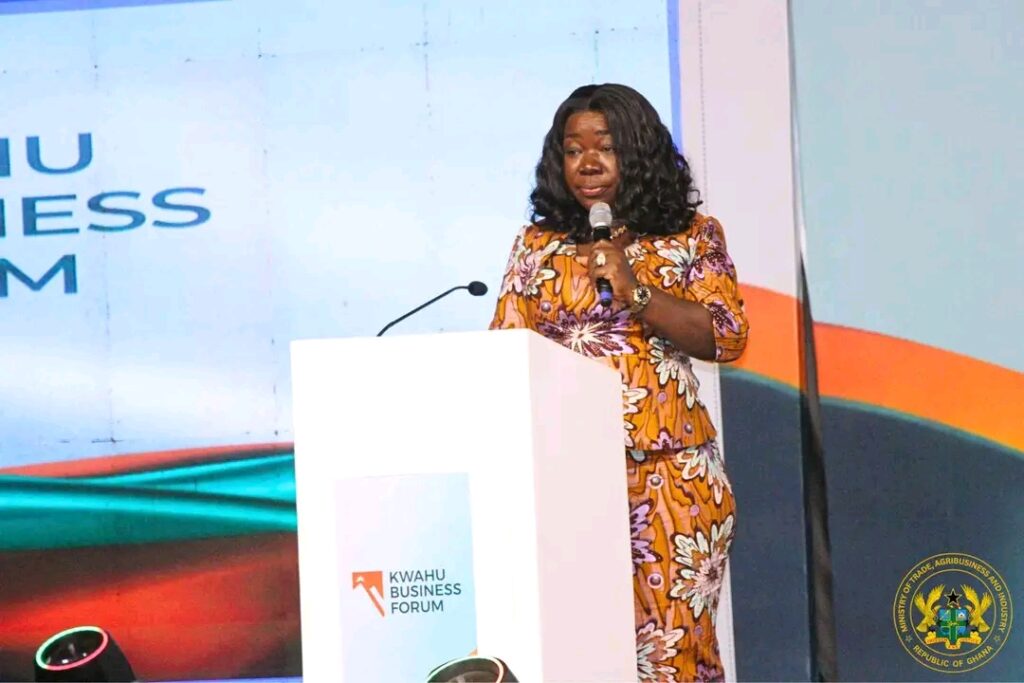
The decision was announced in a statement issued by the Minister for Ministry of Trade, Agribusiness and Industry, Elizabeth Ofosu-Adjare, who assured the public that sachet water prices will remain unchanged for now.
According to the Minister, the government remains committed to protecting consumers while ensuring stability within the market, especially for essential commodities such as sachet water.
The intervention follows growing concerns over the potential economic burden the proposed price hike would have placed on households, particularly low-income earners who depend heavily on sachet water as a primary source of safe drinking water.
To address the underlying challenges within the sector, the Ministry has scheduled an emergency meeting with key industry stakeholders, including the Ghana Plastic Manufacturers Association and the National Association of Sachet and Packaged Water Producers on April 8, 2026.
The meeting is expected to explore sustainable solutions to rising production costs, distribution challenges and pricing concerns.
Relief for Households
Sachet water remains one of the most affordable and widely accessible sources of drinking water in Ghana, particularly in urban and peri-urban communities.
The government’s intervention is therefore being viewed as a timely measure to cushion households already facing rising living costs.
For many families, any increase in sachet water prices would have directly impacted daily spending, given its frequent use for drinking and household activities.
Impact on Women and Children
The planned price increase would have had a significant impact on women and children, who are often most affected by changes in the cost of essential household items.
Women, especially those managing households or engaged in petty trading, would have faced increased financial pressure in providing water for their families.
This could have forced difficult decisions between buying water and meeting other basic needs.
Children, particularly in low-income homes, might have experienced reduced access to safe drinking water if prices had gone up. This could have led to reliance on unsafe water sources, posing serious health risks.
In schools, where sachet water is commonly sold, a price hike could have limited access for pupils, affecting hydration and overall well-being during school hours.
Balancing Industry and Consumer Needs
While consumers have welcomed the intervention, producers have cited rising costs of raw materials, transportation and energy as key reasons behind the proposed increase.
The upcoming stakeholder meeting is expected to find a balance between sustaining businesses in the sachet water industry and protecting consumers from sudden price hikes.
Looking Ahead
Government has reiterated its commitment to ensuring that essential goods remain affordable while working closely with industry players to address long-term challenges.
For now, consumers can continue to purchase sachet water at existing prices as discussions continue towards a lasting and sustainable solution.
Story by Sheila Otuo – Baffour