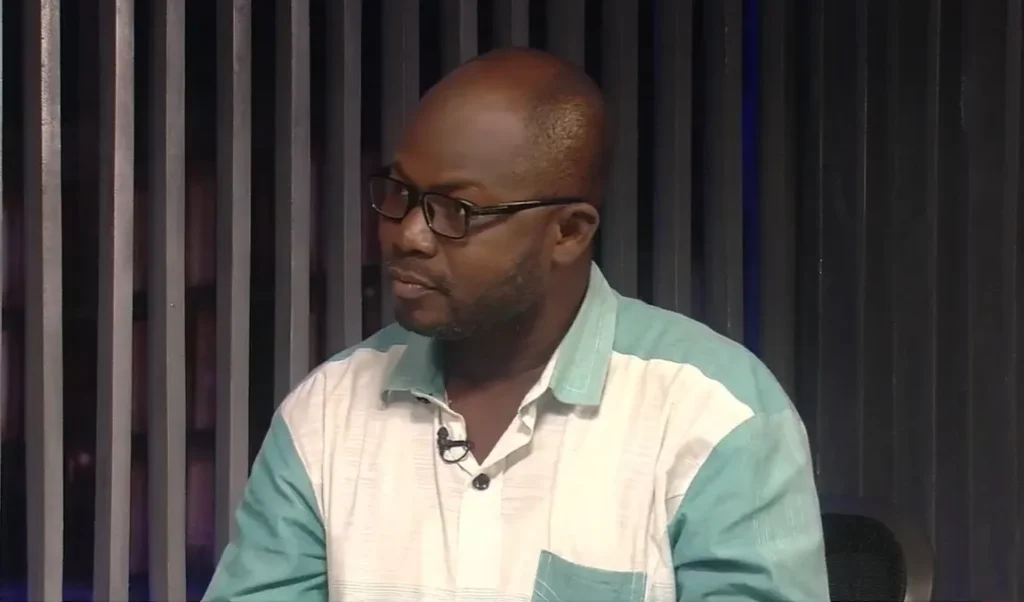
The New Patriotic Party (NPP) has called on the government to apologise to Ghanaians over ongoing power outages, commonly referred to as “dumsor,” amid growing public concern about electricity reliability.
Deputy General Secretary of the party, Haruna Mohammed, criticised the government’s handling of the energy sector, accusing the administration of failing to deliver on its promise to stabilise power supply.
Opposition Criticism Mounts
Speaking on Channel One TV’s Breakfast Daily on Saturday, May 2, Mr. Mohammed argued that the current administration has abandoned key energy policies introduced by the previous government.
“It’s a complete neglect of the energy sector policy that we left for them. It’s about time that the NDC comes out openly to apologise to the good people of Ghana and admit they cannot fix the problem,” he stated.
His remarks come at a time when parts of the country have been experiencing intermittent power cuts, raising concerns among households and businesses.
Government Response and Restoration Efforts
Meanwhile, the Minister for Energy, John Abdulai Jinapor, has announced the full restoration of power generation following a recent disruption at the Akosombo Dam.
According to the Minister:
- The outage was triggered by a fire incident at a Ghana Grid Company (GRIDCo) substation in Akosombo
- The incident led to the loss of over 1,000 megawatts of power
- The disruption caused intermittent outages across several parts of the country
He assured the public that power generation capacity has now been fully restored and efforts are underway to stabilise supply nationwide.
Ongoing Concerns
Despite the restoration, concerns persist over the reliability of Ghana’s energy supply, with stakeholders calling for:
- Stronger infrastructure resilience
- Improved maintenance systems
- Clear communication during outages
A Renewed Energy Debate
The situation has reignited political debate over the management of Ghana’s energy sector, with the opposition demanding accountability while government points to technical challenges and ongoing recovery efforts.
As the country navigates these disruptions, the focus remains on ensuring stable, consistent electricity supply to support economic activity and daily life.