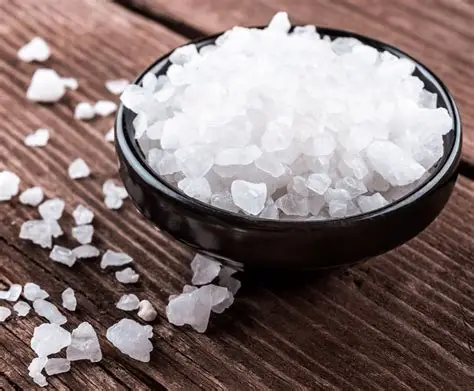
Ghanaians consume salt laced with quality flaws—from inconsistent iodine levels to heavy metal contaminants—fueling a public health crisis amid high intake rates. Recent studies reveal widespread non-compliance with standards, posing risks from iodine deficiency to hypertension and toxicity.
Iodine Shortfalls Exposed
Market surveys in Accra found 90% of iodized salt brands falling short of Ghana Standards Authority (GSA) labels and requirements: levels ranged from 0-75 ppm at retail (target 50 ppm), with raw sea salt containing none despite myths of natural iodine. Poor packaging, sunlight exposure, and artisanal practices cause over 50-80% iodine loss post-production, undermining universal iodization goals and risking IDD resurgence like goiter and cognitive impairments. Only well-packaged imports neared standards, highlighting regulatory gaps in local production.
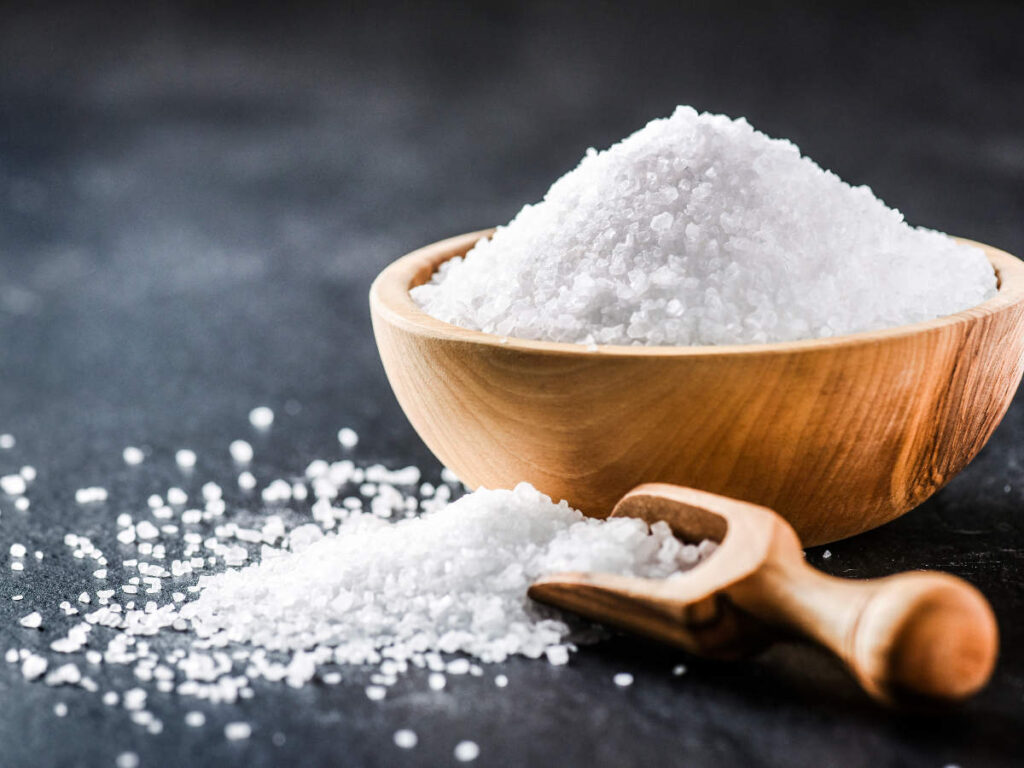
Heavy Intake, Heavy Risks
WHO-SAGE data shows median adult salt intake at 8.3 g/day—77% exceed 5 g limit—with women, youth, and obese individuals highest; potassium intake lags at 65% below norms. This drives 44-59% hypertension prevalence, with Na:K ratios >2 mmol/mmol linked to steeper BP rises with age; traditional salted fish and bouillon amplify urban surges.
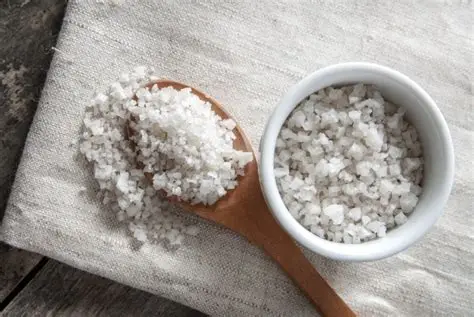
Toxins in the Crystals
Unrefined and refined salts exceed Codex limits for heavy metals like lead (up to 10.5 ppm), antimony, and others, per market tests human risk indices signal cardiovascular, reproductive, and gastrointestinal threats, especially for pregnant women. Artisanal producers (70% market share) skip iodization and hygiene, yielding low-grade salt via uncontrolled evaporation. Enforcement lapses under Public Health Act 851 worsen contamination from impurities and microbes.