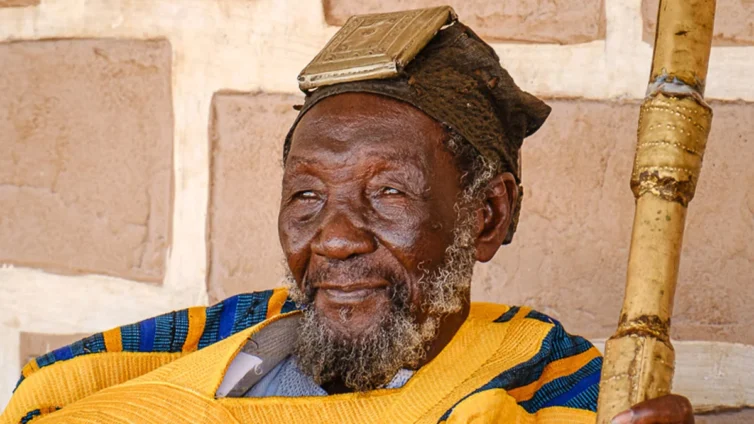
The Overlord of the Mamprugu Traditional Area, Nayiri Naa Bohugu Mahami Abdulai Sheriga, has formally rejected the mediation report on the Bawku chieftaincy dispute presented by the Asantehene, Otumfuo Osei Tutu II, describing the process as procedurally flawed and unfair.
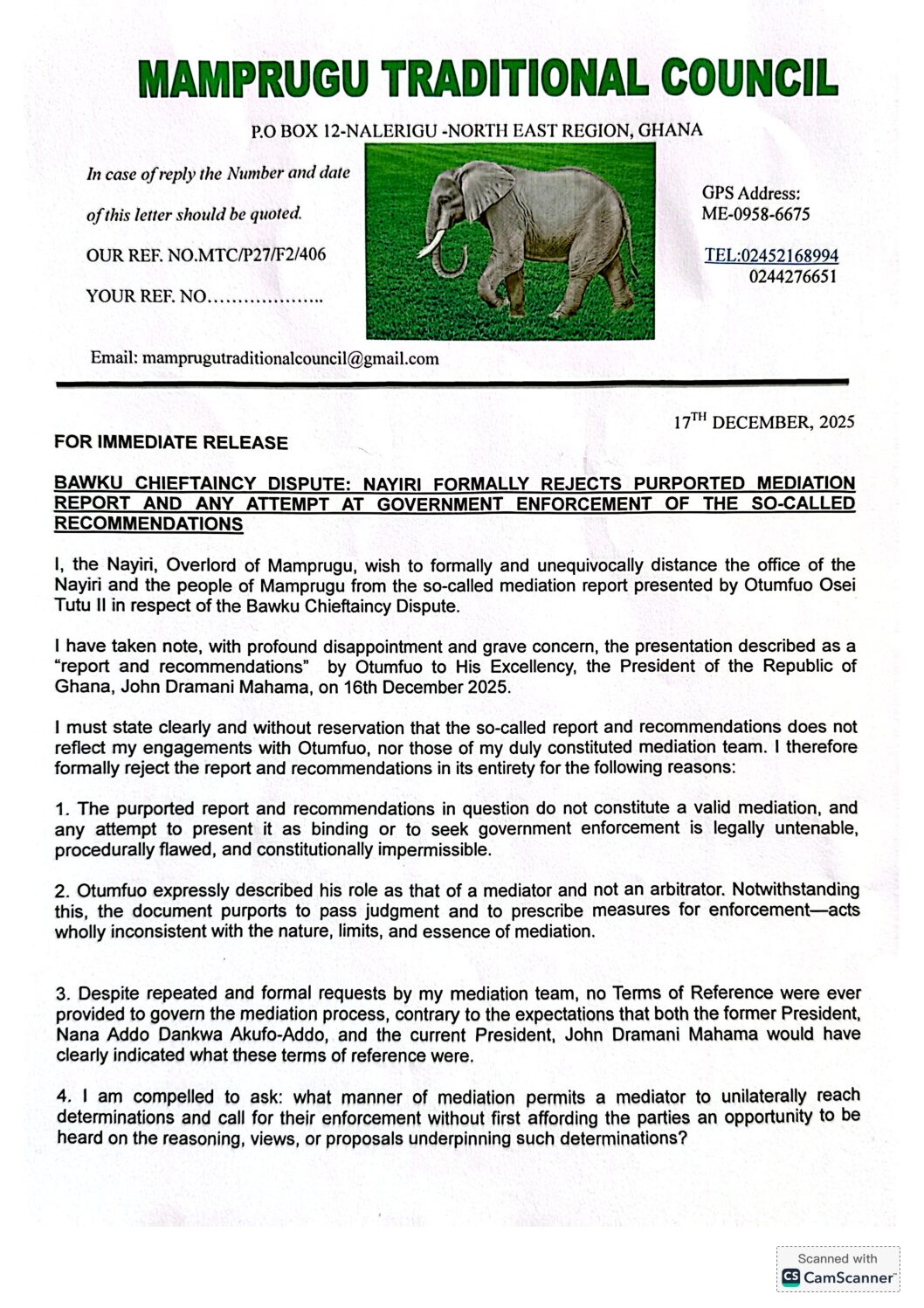
In a strongly worded three-page statement dated Wednesday, December 17, 2025, and issued by the Mamprugu Traditional Council, the Nayiri distanced himself and his people from the report, which was presented to President John Dramani Mahama a day earlier. He said the document neither reflects his engagements with the mediator nor represents the position of his mediation team.
“I must state clearly and without reservation that the so-called report and recommendations do not reflect my engagements with Otumfuo, nor those of my duly constituted mediation team,” the Nayiri stated.
According to him, the mediation process departed from accepted principles of alternative dispute resolution and veered into adjudication. He argued that Otumfuo, who had described his role as a mediator rather than an arbitrator, went beyond mediation by making determinations and prescribing measures for enforcement.
The Mamprugu Overlord also disclosed that no formal Terms of Reference were provided for the mediation, despite repeated requests from his team. He further expressed disappointment that parties to the dispute were not given the opportunity to review or respond to the conclusions before the report was finalised and presented.
“To say that I feel betrayed, disappointed and deeply hurt would be a grave understatement,” he wrote, adding that the report contains what he described as factual inaccuracies and reflects an imbalance that favours one side of the dispute while downplaying Mamprugu’s position.
The Nayiri specifically denied claims in the report suggesting that he agreed to the continued recognition of Aninchema as Bawku Naba, describing the assertion as “entirely false.”
He also raised concerns over reports that President Mahama intended to issue a definitive government position within 24 hours based on the document, cautioning that such a move could undermine efforts to secure lasting peace.
“Such an approach, respectfully, will not advance the peace we all seek,” he stated, urging the President to engage more broadly with all stakeholders before taking any action.
Reaffirming Mamprugu’s position, the Nayiri insisted that no part of the traditional area’s ancestral lands would be surrendered through what he described as an unjust process.
“Not even an inch of Mamprugu’s ancestral heritage will be ceded to anyone, especially through an unjust and clearly orchestrated process,” he said.
He maintained that the mediation process ended in a deadlock, with no consensus reached, and argued that under the Alternative Dispute Resolution Act, 2010, the report should have reflected that outcome rather than presenting what he called final determinations.
The Bawku chieftaincy conflict, which largely involves the Kusasi and Mamprusi ethnic groups, has remained unresolved for decades and continues to be a major source of tension and sporadic violence in the Upper East Region.
Despite his rejection of the report, the Nayiri reiterated his commitment to peace, dialogue and stability in Bawku and the wider Mamprugu area, stressing that any lasting solution must be grounded in law, history, fairness and mutual consent.
He indicated that he would continue engagements with Otumfuo and the government and would issue a more detailed statement in due course.